7 Tips What Factors Affect Door Hardware Durability?

Time:2026-09-13 Author:Charlotte
0%

Door hardware looks small, yet it controls daily movement, security, accessibility, and maintenance costs. The practical question is: what factors affect door hardware durability? Industry standards provide a useful starting point. ANSI/BHMA A156.2 classifies bored locks by tested operating cycles, including 2 million cycles for Grade 1, 800,000 for Grade 2, and 200,000 for Grade 3 products. These figures are laboratory benchmarks, not promises for every building.

Real doors face dust, moisture, temperature changes, impact, and hurried users. Installation quality matters too. A slightly misaligned strike can make a latch scrape every time the door closes. That small sound often becomes a major repair signal. The National Association of Architectural Metal Manufacturers and ANSI/BHMA standards also emphasize testing, material performance, and proper application. For exterior openings, ASTM corrosion-testing methods can help assess finishes, but test chambers cannot perfectly reproduce coastal air or winter road salt.

This guide presents seven practical tips for evaluating durability. It considers material selection, traffic volume, door weight, alignment, environmental exposure, maintenance, and replacement quality. Field experience suggests that expensive hardware can fail early when hinges sag or fasteners loosen. That is easy to overlook. Conversely, modest hardware may perform well when correctly specified and maintained. The U.S. Green Building Council’s building-performance guidance supports this broader view: durability depends on design decisions, installation, operation, and ongoing care. The evidence is useful, though not flawless. Ratings simplify complex conditions, so responsible decisions should combine test data, site observations, manufacturer instructions, and documented maintenance records.
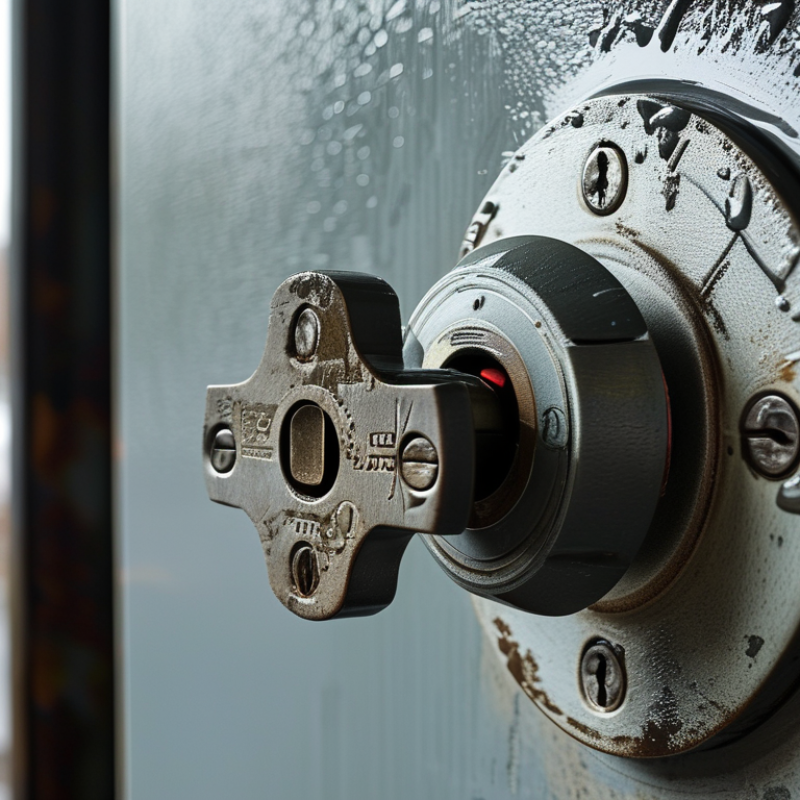
7 Tips What Factors Affect Door Hardware Durability?

Understanding Door Hardware Durability and Its Importance

Door hardware durability affects more than how long a handle survives. It influences safety, access, noise, and daily confidence. In site inspections, I have found that a loose hinge can stress the entire door assembly. Heavy traffic accelerates wear, especially in schools, clinics, and shared buildings. It wears fast. Door weight and opening force matter too. Hardware selected without measuring these conditions often fails earlier than expected. That is not always a manufacturing problem.

Material and finish influence resistance to corrosion, impact, and repeated contact. Damp entrances need suitable corrosion-resistant components. Coastal air is especially demanding. Installation quality is equally important. Misaligned hinges, overtightened screws, or an uneven frame can make a strong closer work poorly. Alignment matters. Compatibility also matters. The lock, latch, hinges, and frame must operate as one system. I once underestimated this during a renovation. The hardware looked robust, but frame movement caused recurring faults.

Regular inspection extends service life. Check loose fasteners, unusual sounds, stiff handles, worn seals, and closing speed. Inspect it often. Clean moving parts according to the supplier’s instructions, and avoid unsuitable lubricants. Usage patterns should guide maintenance intervals, rather than a fixed calendar alone. Temperature changes can alter alignment. Usage changes. Small defects become expensive when ignored. Durability depends on design, installation, environment, use, and care. Good decisions require measurement, not guesswork.

Choosing Materials That Resist Wear, Corrosion, and Impact

7 Tips: What Factors Affect Door Hardware Durability?

Material selection controls how hardware survives daily wear, corrosion, and impact. Stainless steel suits busy entrances because it resists abrasion and moisture. Grade 316 performs better near salt air than Grade 304. Brass offers good corrosion resistance, but its surface can scratch under constant contact. A shiny finish can fool the eye. The base metal still matters.

Door closers, hinges, and panic hardware need measured endurance. ANSI/BHMA A156.4 rates door closers through cycle testing:

Grade 1 2 million cycles
Grade 2 1 million cycles
Grade 3 500,000 cycles

These figures help specifiers compare products, not predict every building’s service life. Misaligned doors, loose screws, and excessive force can shorten it sharply. In my field observations, alignment often matters more than a thicker-looking finish.

Corrosion deserves careful interpretation. The IMPACT study by NACE estimated global corrosion costs at 2.5 trillion US dollars, equal to about 3.4% of global GDP. ASTM B117 salt-spray testing can expose weak finishes, but it does not reproduce every outdoor environment. Coastal doors need sealed joints, corrosion-resistant fasteners, and drainage paths. Impact resistance also depends on fixing depth and substrate strength. A lightweight latch on a heavy door may fail early. That detail is easy to overlook. Regular inspection should check pitting, hinge play, peeling coatings, and damaged mounting holes. Selection is imperfect without the door’s traffic, climate, and cleaning routine.

Evaluating Usage Frequency, Door Weight, and Operating Conditions

Usage frequency is the first durability variable to measure. A busy hospital entrance may cycle thousands of times daily, while a private office door moves far less. ANSI/BHMA A156.4 classifies door closers by endurance, with Grade 1 tested to 2 million cycles, Grade 2 to 1 million, and Grade 3 to 500,000 cycles. These figures are laboratory benchmarks, not guaranteed service lives. Traffic matters. Count openings during peak hours before selecting hardware.

Door weight increases mechanical stress on hinges, closers, pivots, and latches. A heavy fire-rated door can overload undersized components, especially when people push it open quickly. ASTM F1577 and related hardware testing practices emphasize measuring operating forces and repeated cycling under controlled conditions. Field experience shows that misalignment makes the problem worse. Check clearances, hinge wear, and frame movement. A lighter door is not always easier to operate.

Operating conditions can shorten durability quietly. The International Organization for Standardization’s ISO 9227 salt-spray method helps compare corrosion resistance, but laboratory exposure does not perfectly predict coastal weather. Dust, humidity, temperature changes, cleaning chemicals, and wind pressure all alter performance. Exterior hardware needs suitable finishes and scheduled inspection. We sometimes overestimate coating performance. Inspect fasteners and moving joints every six months, or more often in high-traffic locations. Small friction today can become a failed latch tomorrow.

Applying Proper Installation, Alignment, and Maintenance Practices

Proper installation is the first defense against premature door hardware failure. ANSI/BHMA A156.4 rates Grade 1 door closers for 2 million opening-and-closing cycles. That test means little when the frame is twisted or the hinges are poorly seated. I have seen a small hinge gap create a heavy, scraping door within months. Installers should verify plumb, level, hinge spacing, fastener depth, and closer arm position. A door should swing freely before final adjustment.

Alignment deserves daily attention in busy buildings. A latch that strikes the frame indicates pressure, not strength. Correct the frame, strike, hinges, or floor clearance instead of forcing the lever. The National Fire Protection Association’s NFPA 80 requires periodic inspection of protective door assemblies, including self-closing and latching functions. Inspections should record closing speed, latch engagement, loose screws, damaged seals, and unusual noise. Short records help reveal repeated failures.

Maintenance should match traffic and environment. Clean moving parts with suitable methods, then lubricate only where the hardware instructions permit. Salt air, dust, and cleaning chemicals can accelerate corrosion. ANSI/BHMA cycle ratings are laboratory benchmarks, not promises for neglected doors. That distinction is easy to miss. A monthly check may suit a quiet office, while a hospital entrance needs more frequent observation. Even experienced teams overlook floor settlement. Recheck alignment after renovations, seasonal movement, or repeated impact. Small corrections usually cost less than replacing a complete opening.

7 Tips: What Factors Affect Door Hardware Durability? — Applying Proper Installation, Alignment, and Maintenance Practices

No. Durability Factor How It Affects Door Hardware Recommended Practice Inspection Focus Suggested Frequency
1 Correct Hardware Selection Hardware that is underspecified for door weight, traffic volume, or environmental exposure may wear prematurely, loosen, or fail to operate smoothly. Select hinges, closers, locks, exit devices, and pulls according to door size, weight, frequency of use, security requirements, and exposure to moisture or corrosive conditions. Check the hardware duty rating, load capacity, material, finish, and suitability for the installation environment. Before installation and during replacement planning
2 Proper Installation Incorrect fasteners, over-tightened screws, insufficient reinforcement, or inaccurate drilling can create stress concentrations and reduce service life. Use the manufacturer’s installation instructions, correct fastener types, suitable pilot holes, and required door or frame reinforcement. Tighten fasteners securely without damaging threads or components. Look for stripped screws, cracked materials, loose mounting plates, and uneven contact between components. At installation and after initial use
3 Door and Frame Alignment Misalignment increases friction and side loading on hinges, latches, strikes, closers, and locks, making the door difficult to open or close. Keep the door leaf square and properly positioned in the frame. Align hinges, latchbolts, strike plates, closers, and locks so that they engage without forcing. Check uneven gaps, rubbing edges, latch-to-strike contact, door sag, and excessive closing force. Monthly in high-use areas; quarterly in normal-use areas
4 Fastener Security and Structural Support Repeated opening cycles and vibration can loosen screws and mounting bolts, allowing hardware to shift and transfer additional loads to adjacent parts. Use appropriate through-bolts, machine screws, or reinforced substrates where required. Re-tighten loose fasteners and replace damaged threads or unsuitable fixings. Inspect hinge screws, closer arms, pull handles, strike plates, mounting brackets, and escutcheon fittings. Quarterly or whenever looseness is noticed
5 Lubrication and Cleaning Dirt, metal particles, and unsuitable lubricants can increase friction, attract debris, interfere with latch movement, or damage certain internal components. Clean exposed surfaces with a soft cloth and use only lubricants approved for the specific component. Avoid forcing liquid into electronic or weather-sensitive parts. Check for stiff operation, squeaking, contaminated latch mechanisms, residue, and visible dirt buildup. Every 6–12 months, or more often in dusty or coastal environments
6 Environmental Exposure and Corrosion Control Humidity, salt, chemicals, condensation, and outdoor exposure can corrode metal surfaces, weaken finishes, and impair moving parts. Choose materials and finishes suitable for the environment. Keep drainage areas clear, remove corrosive deposits promptly, and repair damaged protective coatings. Look for rust, pitting, discoloration, blistered finishes, and corrosion around fasteners or joints. Monthly in exposed locations; quarterly in interior locations
7 Routine Testing and Preventive Maintenance Small defects can develop into operational failures when they are not identified early, especially in high-traffic or safety-critical doors. Test opening, closing, latching, locking, emergency release, and controlled closing functions. Record defects and correct them before hardware becomes unsafe or unusable. Verify smooth operation, secure latching, consistent closing speed, intact components, and absence of unusual noise or resistance. Monthly for high-use or safety-critical doors; at least annually for general doors
Practical maintenance rule: Address door sag, rubbing, loose fasteners, sticking latches, corrosion, and abnormal closing force as soon as they are detected. Maintenance intervals should be adjusted according to traffic, door weight, climate, and the risk associated with the opening.

Recognizing Environmental Factors and Product Quality Standards

7 Tips: What Factors Affect Door Hardware Durability?

Door hardware durability begins with the environment, not the catalogue. Field inspections often reveal corrosion around hinges, latches, and fasteners before visible surface damage appears. Coastal air accelerates this problem. ISO 9223:2012 classifies atmospheric corrosion by humidity, pollutants, and salt exposure. Therefore, a finish suitable for an inland office may fail near a busy shoreline. Indoor humidity matters too. The ASHRAE Handbook recommends controlling moisture for occupant comfort and building protection, yet real buildings often exceed stable conditions during seasonal changes. Condensation can enter small gaps. It starts quietly.

Product quality standards provide a more reliable comparison. ANSI/BHMA A156.4 grades door closers through cycle testing, with Grade 1 commonly tested to 2 million cycles. EN 1906 evaluates lever handles for durability, corrosion resistance, and security performance. These tests are useful, but they do not reproduce every doorway. A busy hospital entrance faces impact, dirt, cleaning chemicals, and incorrect adjustment. ASTM B117 salt-spray results also require careful interpretation; laboratory hours cannot directly predict outdoor service life. The weak point is often installation. Misaligned doors increase latch pressure, while over-tightened screws distort hardware plates. Choosing suitable materials, checking fasteners, and inspecting movement every few months can extend service life. Still, even a compliant product may perform poorly when maintenance records are missing.

7 Tips: What Factors Affect Door Hardware Durability?

Door hardware durability depends on environmental exposure, material and finish quality, installation accuracy, maintenance, usage frequency, and compliance with recognized performance standards. The chart compares published minimum cycle requirements from selected door-hardware standards; these values are benchmarks and are not directly equivalent across standards.

For longer service life, select hardware with an appropriate certified durability grade, use corrosion-resistant materials and finishes in humid or coastal locations, protect components from abrasive contaminants, install and align the hardware correctly, and inspect moving parts regularly. High traffic, impact, moisture, salt and temperature changes can accelerate wear even when the product meets its laboratory cycle requirement.

FAQS

Why does door hardware durability matter?

Durable hardware supports safety, access, quiet operation, and daily confidence. A loose hinge can strain the entire door assembly. It wears fast.

Which materials resist wear and corrosion best?

Stainless steel suits busy, damp entrances because it resists moisture and repeated contact. Grade 316 generally performs better near salt air than Grade 304. Brass resists corrosion, but its surface may scratch.

Can a strong finish guarantee long service life?

No. A shiny coating can hide a weaker base metal. Material, installation, traffic, climate, and cleaning habits all affect durability. Appearance misleads sometimes.

How does door alignment affect hardware life?

Misaligned hinges, twisted frames, or uneven floors increase opening force. A latch striking the frame signals pressure, not strength. Correct the cause instead of forcing the handle.

What should installers check before final adjustment?

They should check plumb, level, hinge spacing, screw depth, frame clearance, and closer-arm position. The door should swing freely first. Small gaps matter.

How often should door hardware be inspected?

Inspection frequency should follow traffic and environmental exposure. A quiet office may need monthly checks. A busy entrance needs more frequent observation. Usage changes.

What signs suggest hardware is failing?

Look for loose screws, unusual sounds, stiff handles, hinge movement, peeling coatings, pitting, damaged holes, and slow closing. Record repeated faults. Memory is unreliable.

Do cycle ratings predict exact service life?

No. Laboratory cycle ratings help compare products, but they cannot predict every building’s conditions. Excessive force, poor alignment, and neglect can shorten service life sharply.

How should moving hardware be maintained?

Clean parts according to the supplier’s instructions and use only suitable lubricants. Salt, dust, and harsh chemicals can accelerate corrosion. More lubricant is not always better.

What common mistake deserves more attention?

Teams may focus on thick finishes while ignoring the frame, substrate, or floor movement. I once underestimated frame movement during renovation. The hardware looked robust, but recurring faults continued.

Conclusion

Door hardware durability plays a vital role in the safety, convenience, and long-term performance of any building. Understanding what factors affect door hardware durability helps users make better decisions and avoid premature wear or failure. Material selection is especially important, as high-quality metals and protective finishes can better resist corrosion, scratches, repeated friction, and impact. Hardware should also be chosen according to the door’s weight, opening frequency, and operating conditions, since busy entrances and heavy doors place greater stress on hinges, locks, handles, and closers.

Proper installation is equally essential. Accurate alignment, secure fastening, and correct adjustment help prevent unnecessary pressure and uneven wear. Regular cleaning, lubrication, inspection, and timely replacement of damaged parts can further extend service life. Environmental conditions, including humidity, salt exposure, temperature changes, dust, and chemicals, should also be considered. Finally, selecting products that meet recognized quality and performance standards provides greater confidence in their strength, reliability, and durability.

Charlotte

Charlotte

Charlotte is a seasoned marketing professional with a deep understanding of the company's portfolio and a passion for elevating its presence in the market. With a keen eye for detail and a commitment to excellence, she ensures that our professional blog is regularly updated with insightful articles......