7 Tips What Defines a Modern Entrance System?

Time:2026-10-03 Author:Aria
0%

A doorway is no longer just a physical boundary. It is a daily meeting point for security, accessibility, energy control, and human experience. So, what defines a modern entrance system? The answer is broader than an automatic door or a sleek glass façade. It includes how safely people enter, how efficiently buildings operate, and how reliably the system performs during heavy use.

Industry research supports this wider view. The U.S. Green Building Council’s LEED framework emphasizes energy performance, indoor environmental quality, and responsible building operation. The World Green Building Trends report by Dodge Construction Network also identifies operational efficiency and occupant wellbeing as continuing priorities. Meanwhile, EN 16005 provides safety requirements for powered pedestrian doors, reminding designers that convenience must never replace risk control. These references create a useful professional baseline, though they do not solve every project challenge.

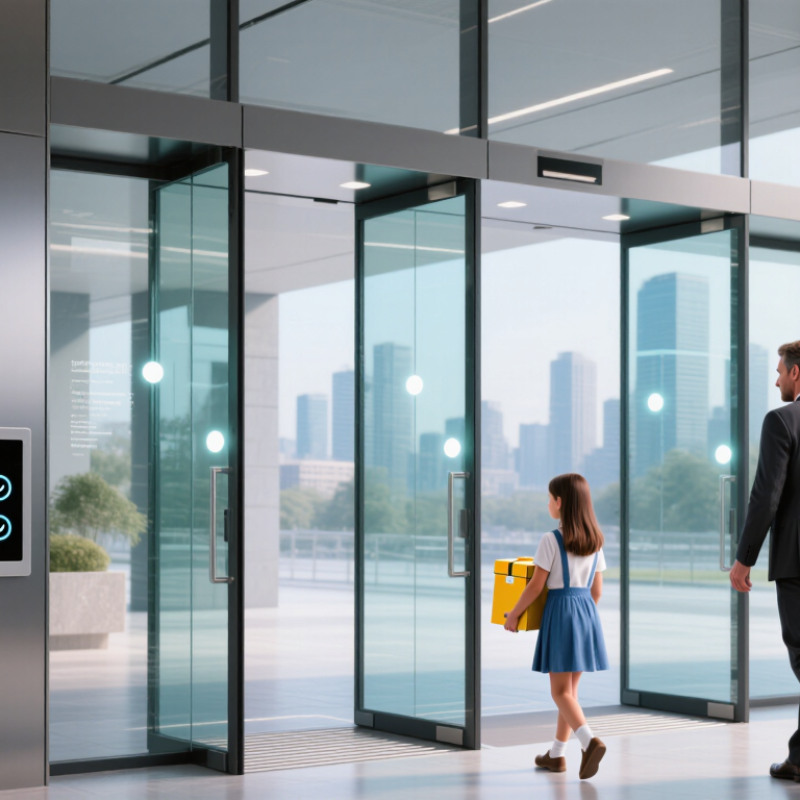
Details matter. A sensor should detect a child, a wheelchair, or a person carrying parcels. A door should open smoothly without creating a cold draft. Access permissions should protect occupants while respecting data privacy. Maintenance teams also need clear fault signals, reachable components, and practical service schedules. The International Energy Agency’s buildings research repeatedly links better building operation with lower energy demand, yet entrance systems are sometimes treated as minor equipment. That is a costly oversight.

A modern entrance should feel effortless.

Still, no universal checklist is perfect. Climate, traffic volume, building use, and local accessibility requirements can change the right solution. The following seven tips examine these decisions carefully, combining measurable performance with real-world experience.
7 Tips What Defines a Modern Entrance System?

Definition and Core Functions of a Modern Entrance System

7 Tips What Defines a Modern Entrance System?

Definition and Core Functions of a Modern Entrance System

A modern entrance system is more than a door, reader, or turnstile. It is a coordinated control point for people, permissions, safety, and building data. Its core function is simple: verify identity, grant suitable access, and record each event reliably. Modern systems may combine credentials, mobile devices, biometrics, visitor workflows, alarms, and remote monitoring. Yet technology alone does not create security. The 2024 Data Breach Investigations Report found that human involvement appeared in 68% of breaches. Therefore, clear procedures still matter.

Tip 1: Design around risk, not fashion. Tip 2: Use layered authentication for sensitive areas. Tip 3: Give visitors time-limited permissions. Tip 4: Connect entrance events with emergency procedures. Tip 5: Protect stored access data with encryption and strict retention rules. Tip 6: Test accessibility, evacuation routes, and power failure behavior. Tip 7: Review permissions regularly, especially after staff changes. The 2024 Cost of a Data Breach Report estimated the global average breach cost at 4.88 million dollars. That figure makes access governance a business issue, not merely a facilities task.

Small failures matter. A blocked reader frustrates people. A poorly placed camera creates blind spots. A complicated interface encourages unsafe workarounds. In practice, the best entrance system feels calm during normal operations and predictable during disruption. Designers should measure entry time, rejected credentials, tailgating attempts, maintenance delays, and user complaints. Not every “smart” feature deserves adoption. Some systems collect too much data, and that weakness deserves honest review. Reliability grows through testing, human training, and continuous adjustment.

What Defines a Modern Entrance System?

A modern entrance system combines accessibility, safe movement, low operating force, and sufficient maneuvering space. The chart presents key measurable reference requirements from the 2010 ADA Standards for Accessible Design.

Reference values: accessible door clear opening of at least 32 inches, turning space of at least 60 inches in diameter, threshold height of no more than 0.5 inches, and interior door opening force of no more than 5 pounds-force. Requirements may vary by building type and local regulations.

Architectural Design, Accessibility, and User Flow

7 Tips: What Defines a Modern Entrance System?

Architectural Design, Accessibility, and User Flow

A modern entrance begins with a clear approach. Tip one: connect the entrance to the building’s main route. Tip two: create a visible doorway from the street. Deep shadows and reflective glass can confuse visitors. Tip three: use contrast between walls, doors, and handles. This helps people with limited vision find the opening quickly. In practice, I have seen attractive entrances fail because signage appeared too late.

Tip four: provide a level, stable path with enough turning space for mobility devices. Tip five: place controls within an easy reach range, including door buttons and intercoms. Keep them simple. Tip six: support different users with tactile signs, readable text, and clear audio information. Avoid forcing every visitor through one narrow checkpoint. Parents with strollers, older adults, delivery workers, and wheelchair users may move differently. Their routes should feel equally intentional, not like compromises.

Tip seven: design the entrance around user flow, then test it with real people. Watch where visitors pause, hesitate, or turn back. A short queue can block the door, especially during rain. Weather protection, drainage, lighting, and slip resistance matter as much as visual style. I once focused too heavily on the facade and missed a confusing internal turn. That mistake changed my review process. Draw the route at eye level, then inspect it from a seated position. Good design is rarely perfect on the first attempt.

Smart Access Control and Identity Verification

7 Tips: What Defines a Modern Entrance System?

A modern entrance system begins with trusted identity verification, not a faster turnstile. It should combine mobile credentials, biometrics, badges, and visitor records. Each method needs a clear fallback. Doors fail. Phones lose power. People forget things. Verification should match risk, location, and user context. A reception lobby may need a quick badge check. A research room may require multi-factor verification and a live identity check. The 2024 Verizon Data Breach Investigations Report found that human involvement appeared in 68% of breaches. That figure makes careful authentication difficult to ignore.

Smart access control also needs usable security. Sensors can detect tailgating, unusual entry times, and repeated failed attempts. Security teams should review these events without creating unnecessary surveillance. The 2024 Cost of a Data Breach Report placed the average breach cost at 4.88 million dollars. Strong identity governance can reduce exposure, but it cannot repair poor procedures. Access permissions should expire automatically. Visitor access should be temporary, visible, and easy to revoke. Keep audit records protected.

The best systems communicate with emergency controls, elevators, and occupancy tools. They should also support accessibility and privacy from the design stage. In practice, integration is often messier than a product diagram suggests. Staff training matters. So does testing during power loss, network failure, and crowded arrivals. A modern entrance must remain understandable when technology behaves imperfectly. That is where many projects still need honest reflection.

Security, Safety, and Emergency Management

What Defines a Modern Entrance System?

Security, Safety, and Emergency Management

A modern entrance system must control access without creating confusion. It should verify visitors, protect staff, and keep movement smooth. Security begins with clear zones: a reception point, a controlled doorway, and a visible exit route. Access records should show who entered and when. Privacy must guide every record.

Tip: Test the door sensor with a real bag, wheelchair, or delivery cart. Small obstacles can expose serious design weaknesses. A secure door is not useful if people cannot pass safely during busy periods.

Safety depends on reliable hardware and human judgment. Emergency doors need clear signs, suitable lighting, and simple release procedures. Backup power can support critical functions during an outage. Staff should know how to respond when alarms, sensors, or communication systems fail. Practice matters more than polished instructions.

Tip: Run short drills at different times. Include new employees. Observe where people hesitate, gather, or choose the wrong route.

Emergency management also requires regular review. Keep incident logs, inspect locks, and check evacuation paths. Coordinate procedures with building safety requirements and trained professionals. No system is perfect. We still miss details, especially after renovations or staff changes. A monthly review can reveal blocked access, weak visibility, or outdated contact information before a real emergency occurs.

Tip: Ask one honest question: “What would fail first?” The answer may be uncomfortable, but it creates a better entrance.

7 Tips: What Defines a Modern Entrance System? — Security, Safety, and Emergency Management

A practical framework for designing secure, accessible, resilient, and code-conscious building entrances.

No. Modern Entrance Principle Recommended Practice Relevant Performance or Safety Benchmark Emergency Management Value
1 Layered Access Control Combine a suitable credential, visitor verification, door position monitoring, and role-based permissions. Apply stronger identity verification to higher-risk areas. Access permissions should follow least-privilege principles and be reviewed when staff roles change or credentials are lost. Security staff can identify who entered, which door was used, and whether access should be suspended during an incident.
2 Tailgating and Forced-Entry Detection Use door contacts, request-to-exit sensors, presence detection, interlocking vestibules where justified, and real-time alarms for forced or prolonged opening. Detection logic should distinguish normal two-way traffic from an unauthorized second person or a door held open beyond its configured time. Early alerts help operators respond before an unauthorized person reaches a controlled area and support rapid incident investigation.
3 Inclusive Accessibility Provide accessible routes, clear approach space, visual and audible signals, reachable controls, and doors that can be operated without excessive force. The U.S. ADA Standards commonly use a minimum 32-inch clear opening for accessible doors and a maximum 5-pound operating force for many interior hinged, sliding, and folding doors; local requirements may differ. Accessible exits support evacuation by people with mobility, vision, or hearing disabilities and reduce delays at critical moments.
4 Unobstructed Emergency Egress Ensure exit doors open from the egress side without a key, special knowledge, or unnecessary delay. Keep exit paths, panic hardware, and exit signage clear. Under widely adopted life-safety provisions, doors serving rooms or areas with 50 or more occupants, and certain high-hazard spaces, generally swing in the direction of egress. People can evacuate even when access-control systems, communications, or central building systems are unavailable.
5 Fire and Life-Safety Integration Coordinate access-controlled doors with fire alarm, smoke-control, elevator, and building-management functions through an approved life-safety strategy. Where required by the applicable code, electrically locked egress doors must release under specified fire-alarm, power-loss, or emergency conditions. Automatic emergency responses reduce the risk that security controls will obstruct evacuation or emergency access.
6 Resilience and Safe Power Design Define fail-safe or fail-secure behavior by door function and risk level. Protect critical controllers with monitored backup power and separate essential circuits where appropriate. The correct failure mode depends on life-safety, security, fire-rating, privacy, and operational requirements; it should be documented in the approved design. Entrances remain manageable during power outages, network failures, severe weather, or partial system shutdowns.
7 Monitoring, Testing, and Maintenance Maintain event logs, test alarms and release functions, inspect door hardware, verify sensors, update access permissions, and conduct documented emergency exercises. Testing frequency should follow applicable fire, accessibility, electrical, security, and automatic-door requirements, together with the equipment manufacturer’s maintenance instructions. Regular testing reveals failed batteries, misaligned sensors, blocked exits, expired credentials, and unsafe release behavior before an emergency occurs.

Reference note: Performance values and life-safety principles are based on commonly used requirements and guidance from accessibility regulations, building and fire codes, emergency-egress provisions, and automatic-door safety standards. Always verify the requirements adopted by the authority having jurisdiction.

Energy Efficiency, Connectivity, and Future Adaptability

A modern entrance system does more than open and close.
It controls energy, supports secure movement, and communicates with the building around it. In practice, I look for tight seals, insulated frames, efficient glazing, and doors that close without force. Small gaps matter. They can create cold drafts, indoor discomfort, and unnecessary heating costs.

Connectivity should serve people, not confuse them.
Sensors can detect occupancy, adjust lighting, and reduce door movement during quiet periods. Access events may also connect with building management systems, creating clearer maintenance records. However, connected equipment needs careful data protection and regular software updates. Convenience without control becomes a weakness. Manual operation must remain available during power or network failure.

Future adaptability deserves equal attention.
Choose modular hardware, replaceable sensors, and wiring that allows later upgrades. A flexible entrance can support changing visitor patterns, accessibility needs, and energy targets. My own preference is to test the system during rain, winter mornings, and busy delivery periods. Real conditions reveal problems that specifications may miss. Still, no design is perfect. A highly automated entrance may feel slow to some users, while a very fast door can increase safety concerns. Review performance regularly, listen to occupants, and improve one detail at a time.

FAQS

What is a modern entrance system?

It coordinates identity checks, permissions, safety responses, and entrance records. It may include credentials, mobile devices, visitor controls, alarms, and remote monitoring. Technology alone is not enough. Clear procedures still matter.

How should an entrance system be designed?

Design it around actual risks, not fashionable features. Protect sensitive rooms with layered authentication. A simple entrance may be safer than a complicated one. Review every feature honestly.

How can entrances improve accessibility?

Provide a level, stable route with enough turning space. Place controls within easy reach. Use tactile signs, readable text, clear audio, and strong visual contrast. Keep the route practical.

How should visitor access be managed?

Give visitors permissions that expire after a defined period. Use clear workflows for arrival, approval, and departure. Visitors should not enter sensitive areas by accident. Temporary access needs regular checking.

What physical details affect entrance usability?

Visible doors, good lighting, drainage, and slip-resistant surfaces support safe movement. Avoid deep shadows and confusing reflective glass. A short queue can block the doorway during rain. Small details matter.

How should entrance events support emergencies?

Connect access records with emergency procedures. Test evacuation routes, backup power, alarms, and door behavior. People need predictable movement during disruption. Test it regularly.

How can access data be protected?

Encrypt stored access data and limit retention. Restrict administrative permissions to appropriate personnel. Review permissions after staff changes. Collect only useful information. Too much data creates risk.

What should be measured after installation?

Track entry time, rejected credentials, tailgating attempts, maintenance delays, and complaints. Observe where visitors pause, hesitate, or turn back. Test with wheelchair users, parents, older adults, and delivery workers. Real behavior reveals weaknesses.

What common mistakes should designers avoid?

Do not hide the entrance behind poor signage or confusing internal turns. Do not let queues obstruct doors. Do not prioritize appearance over movement and safety. I once missed an internal turn. Review from eye level, then seated height.

Conclusion

What defines a modern entrance system is its ability to combine welcoming design, reliable protection, and smooth everyday operation. It should support clear wayfinding, inclusive accessibility, and efficient user flow while creating a positive first impression. Beyond physical doors and barriers, a modern system uses smart access control and identity verification to provide appropriate entry for authorized users without creating unnecessary delays.

A complete entrance solution must also address security, safety, and emergency management through dependable monitoring, controlled evacuation procedures, and responsive safeguards. Energy-efficient equipment, connected data systems, and flexible infrastructure further improve performance while reducing long-term operating demands. Most importantly, the system should be adaptable, allowing organizations to integrate new technologies and changing requirements without rebuilding the entire entrance environment. Together, these qualities create an entrance that is secure, intelligent, accessible, sustainable, and prepared for the future.

Aria

Aria

Aria is a dedicated marketing professional with a deep passion for innovative strategies and a keen understanding of our company's product offerings. With a wealth of experience in the industry, Aria excels at crafting engaging content that highlights the unique features and benefits of our......