Choosing the right materials for exterior doors is crucial for durability and longevity. In China, various materials provide different benefits and challenges. Homeowners often ask, "what materials are best for exterior doors?"
Wood, fiberglass, and steel are popular options, each with distinct characteristics. Wooden doors offer aesthetic appeal and natural insulation. However, they can warp in humid climates. Fiberglass doors resist dents and offer good insulation but may vary in visual appeal. Steel doors provide exceptional strength and security, yet they can be prone to rust without proper care.
Considering these factors is essential. A homeowner should weigh aesthetics against practicality. It is important to understand that there is no one-size-fits-all solution. Each material presents its own set of advantages and disadvantages. Thus, selecting the best option requires careful reflection on specific needs and environmental conditions.
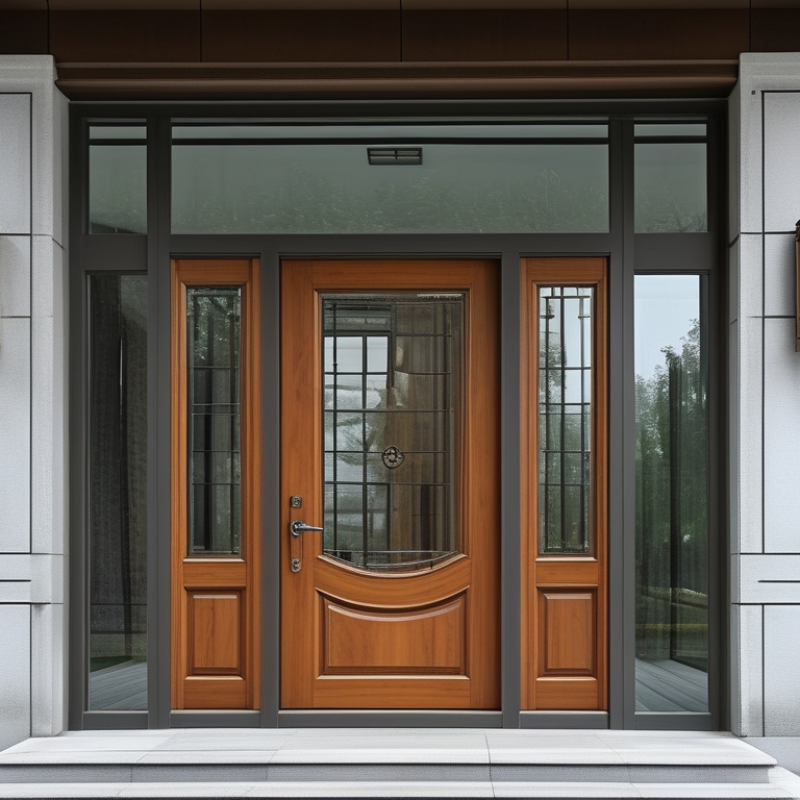
Best Materials for Durable Exterior Doors in China: An Overview
Choosing the right materials for durable exterior doors in China requires careful consideration of various factors. Wood is a popular choice due to its natural beauty and insulation properties. However, wood can warp or crack in extreme weather. It's essential to treat it with proper sealants to increase its lifespan.
Steel doors present another robust option. They offer excellent security and resistance to harsh climates. However, they may rust over time if not properly coated. Homeowners should regularly inspect the door's finish to prevent corrosion.
Fiberglass doors are also gaining traction. They mimic the look of wood but are much more durable. They won't warp, peel, or crack, but they may not have the same warmth as wood.
Each material comes with its trade-offs. Factors like climate, security needs, and aesthetics play a crucial role. It's wise to conduct thorough research before making a decision. Reliable solutions often lie in understanding the strengths and weaknesses of each material.
Comparison of Wood, Steel, and Fiberglass for Exterior Doors
When choosing materials for durable exterior doors, it’s essential to consider wood, steel, and fiberglass. Each material has its unique strengths and weaknesses.
Wood offers classic beauty, with natural grains that add warmth to any home. However, wood is vulnerable to moisture, leading to warping and rot. It requires regular maintenance and sealing. In areas of high humidity or excessive rain, this may not be the best choice. Homeowners often find themselves repainting or refinishing wood doors more frequently than anticipated.
Steel doors provide robust security and excellent insulation. They resist impact and can be cost-effective over time. However, they can dent and are prone to rust if not properly treated. Homeowners in coastal regions should think carefully about steel, as salt from the sea can significantly shorten its lifespan.
Fiberglass doors, on the other hand, offer a balance between aesthetics and durability. They mimic wood’s appearance but resist moisture and pests better. While they might not have the same cachet as solid wood, their maintenance-free nature appeals to busy homeowners.
Impact of Climate on Material Choice for Exterior Doors in China
When considering exterior doors in China, climate plays a crucial role in material selection. The country experiences diverse weather conditions, from humid coastal areas to arid regions in the north. According to a recent industry report, doors made from fiberglass and steel are gaining popularity due to their durability and resistance to extreme weather. Both materials outperform traditional wood doors, particularly in humid climates where wood can warp or rot.
Temperature fluctuations also affect door performance. In northern China, where winters can be harsh, insulated doors help maintain energy efficiency. The same report indicated that fiberglass doors can retain heat better than metal counterparts, making them ideal for colder regions. Conversely, in southern China, lightweight materials may be more suitable, as they withstand high humidity and rainfall.
Tip: Regular maintenance is essential. Even the best materials can deteriorate without care. Inspect door seals and finishes annually.
Choosing the right door material is critical. Each region poses unique challenges. The materials you select should reflect both style and functionality. In areas prone to
storms, investing in sturdier options is wise.
Tip: Research local weather patterns before making a decision. Understanding your climate can guide you toward the best choices.
Cost Analysis of Durable Materials for Exterior Doors
When choosing materials for durable exterior doors in China, cost analysis plays a vital role. Common options include solid wood, fiberglass, and steel. Each material has unique attributes. Solid wood is aesthetically pleasing but can be costly. It also requires regular maintenance to prevent warping and decay. In contrast, fiberglass doors tend to be more weather-resistant and offer good insulation. However, they can lack the natural appeal of wood.
Steel doors are often the most affordable. They provide excellent security and durability. However, they can rust over time if not properly coated. Understanding the long-term costs is essential. While steel may save money upfront, maintenance expenses can add up. Also, energy efficiency should factor into the decision. Products that provide better insulation may have a higher initial cost but can save money on energy bills.
Ultimately, the right door material balances aesthetics, cost, and durability. Homeowners need to reflect on their priorities. Are they willing to invest more for the beauty of wood? Or is security their main concern? Making informed decisions can lead to lasting satisfaction with exterior doors.
What Materials Are Best for Durable Exterior Doors in China - Cost Analysis of Durable Materials for Exterior Doors
| Material Type |
Durability (Years) |
Cost per Unit (RMB) |
Maintenance Frequency (Years) |
Energy Efficiency Rating |
| Solid Wood |
25 |
3000 |
5 |
B |
| Fiberglass |
30 |
2500 |
10 |
A |
| Steel |
20 |
2000 |
7 |
C |
| Aluminum |
15 |
1800 |
8 |
B+ |
| Composite |
20 |
2200 |
6 |
A- |
Maintenance Requirements for Different Exterior Door Materials in China
Choosing the right material for exterior doors in China greatly impacts maintenance. Different materials require distinct care routines to ensure longevity.
Solid wood doors, for example, offer charm but need periodic sealing to resist moisture. Regular polishing is vital to prevent fading.
Metal doors are sturdy but can rust if not maintained. A simple inspection every few months for scratches and dents can help.
Apply a protective coating as needed.
Composite doors are low-maintenance, but they still require an occasional wash to remove dirt and grime.
Tips: Always check for any signs of damage after extreme weather. Repainting or sealing can extend a door's life significantly.
Consult with professional carpenters for more tailored advice.
FAQS
: Wood has natural beauty and good insulation. It adds warmth to any home.
Wood can warp or crack in extreme weather. It requires regular maintenance and sealing.
Steel doors offer superior security and excellent insulation. They are robust against impacts.
Steel can rust if not treated properly. Dents can occur, which might be a concern.
Fiberglass mimics wood's appearance but is more durable and resistant to moisture and pests.
Busy homeowners often choose fiberglass for its maintenance-free nature and durability.
Wood needs regular sealing and refinishing, especially in humid climates.
Steel doors may not be ideal near the coast due to rust risks from salt in the air.
Aesthetics are crucial and should align with home style and personal preference.
Yes, understanding each material's strengths and weaknesses is vital for informed decisions.
Conclusion
When considering what materials are best for exterior doors in China, several options stand out: wood, steel, and fiberglass. Each material has its unique advantages and disadvantages, which makes comparing them essential for durability and performance. The choice of material is heavily influenced by China's diverse climate, affecting not just aesthetic appeal but also energy efficiency and longevity.
A comprehensive cost analysis reveals that while initial investments may vary, factoring in long-term maintenance requirements is crucial for making an informed decision. Understanding how each material behaves under different weather conditions can ultimately guide homeowners in selecting the most suitable exterior door that balances durability, cost, and minimal upkeep.

 Orix Steel