How Digital Access Systems Enhance Building Management Efficiency?

Time:2026-06-19 Author:Mason
0%

In recent years, the landscape of building management has evolved significantly. One critical trend is how digital access systems improve building management. According to a report by JLL, nearly 75% of property managers find that digital access solutions enhance operational efficiency. These systems streamline entry processes and enhance security measures, directly impacting tenant satisfaction.

Moreover, many industry experts emphasize the importance of integrating technology into everyday management practices. For instance, a study by Deloitte reveals that smart building technologies, including digital access control, can reduce energy costs by up to 30%. However, despite these advantages, some property owners hesitate to adopt these systems. They often worry about data security and implementation costs.

A closer look reveals that the benefits outweigh the concerns. Digital access systems provide real-time data analytics, enabling proactive management. This capability fosters a responsive environment, ultimately attracting more tenants. Therefore, understanding how digital access systems improve building management is critical for future growth in the industry.
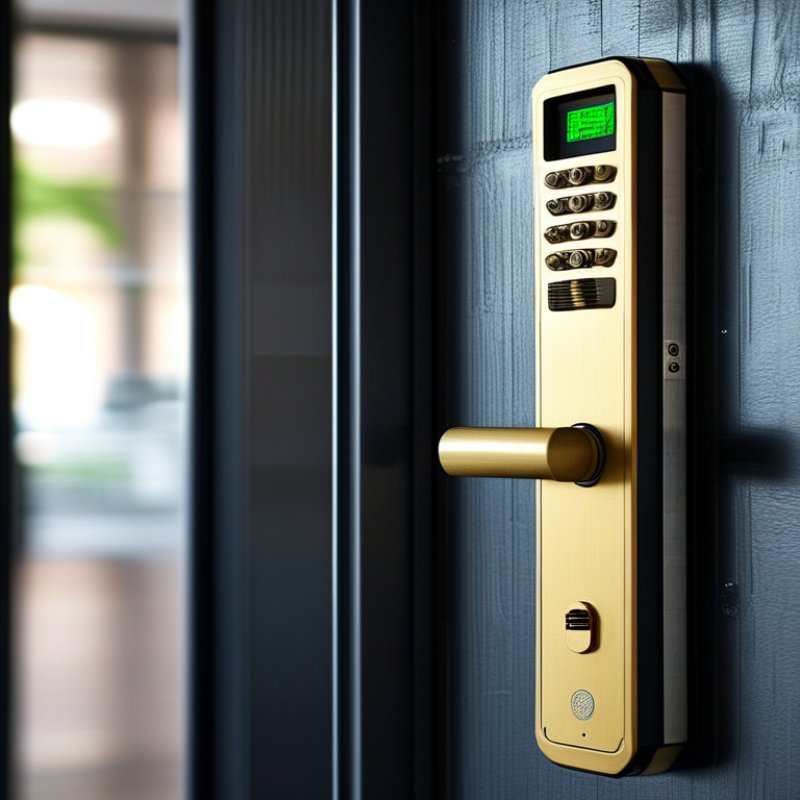
How Digital Access Systems Enhance Building Management Efficiency?

Overview of Digital Access Systems in Building Management

Digital access systems are transforming building management in impactful ways. These systems streamline entry processes, increase security, and enhance user experience. According to a recent industry report by MarketsandMarkets, the digital access control market is expected to grow from $8 billion in 2021 to over $14 billion by 2026. This growth reflects a significant shift toward automation and efficiency in building management.

Implementing digital access solutions simplifies multiple operations. For instance, automated entry systems reduce the need for physical key management. This can lower the risk of unauthorized access. Studies suggest that 70% of security incidents stem from lost or stolen keys. Digital systems mitigate this risk by offering real-time tracking and user access logs. However, reliance on technology also poses challenges. Technical failures can lead to access issues, potentially frustrating tenants and staff.

Data integration is another essential benefit. Digital access systems can link with other building management platforms. This allows for better monitoring and response to various operational needs. Yet, the integration process can be complex. It demands careful planning to avoid disruption during the transition. Overall, while digital access systems enhance efficiency, awareness of potential pitfalls remains crucial.

Key Features of Digital Access Systems

Digital access systems are transforming building management. These systems simplify access control for both residents and staff. They streamline security processes, making day-to-day operations smoother. Key features include remote access capabilities, real-time monitoring, and data analytics.

Remote access allows managers to grant access instantly. This eliminates delays caused by physical keys. Staff can respond quickly to urgent situations without being on-site. Real-time monitoring enhances security. Managers can see who enters and exits the building at any moment. It reduces the risk of unauthorized access, which is crucial for safety.

Data analytics is another significant feature. It helps managers analyze patterns and improve resource allocation. However, relying solely on technology can lead to challenges. Technicians may face glitches, and systems can be hacked. It's vital to maintain a balance between technology and human oversight. This reflection helps ensure that the systems are both efficient and secure.

How Digital Access Systems Enhance Building Management Efficiency

This chart illustrates the key features of digital access systems and their impact on building management efficiency. The data represents the percentage of buildings that have implemented various features, demonstrating how these systems improve overall operational performance.

Benefits of Implementing Digital Access Systems

Digital access systems are transforming building management. These systems streamline operations and enhance security. According to a report by the Global Facility Management Association, digital solutions can reduce operational costs by up to 30%. Efficiency rises when access management is automated. This frees managers from mundane tasks.

Implementing digital access also improves user experience. Tenants appreciate convenient entry options, leading to higher satisfaction rates. The International Facility Management Association found that 75% of users prefer seamless digital access methods. Such systems minimize wait times and enhance overall building accessibility.

However, challenges remain. Not all buildings are equipped for digital access integration. Initial implementation costs can be high. Property managers must weigh these factors carefully. Ongoing maintenance and updates present further considerations. The balance between improved efficiency and potential hurdles is crucial.

Challenges in Adopting Digital Access Systems for Building Management

The adoption of digital access systems in building management brings notable challenges. Transitioning from traditional methods can be daunting. According to a recent survey by the International Facility Management Association, 50% of building managers cite resistance to change as a significant barrier. Many staff members are accustomed to manual processes, leading to slow uptake of digital solutions.

Training is another major hurdle. A report from the National Institute of Building Sciences indicates that 40% of companies face difficulties in effectively training their teams. Employees often feel overwhelmed by the complexity of new technologies. Moreover, a lack of standardized procedures across systems can lead to confusion, diminishing the potential benefits of digital access.

Cost implications cannot be ignored. Research from Transparency Market Research shows that initial setup costs can be substantial. Smaller building management firms may struggle with this financial commitment. Long-term savings from improved efficiency may not be immediately evident, causing hesitation. The integration of digital access systems requires a strategic approach. Without proper planning, teams risk underutilization of technology.

Future Trends in Digital Access Systems and Building Efficiency

The future of digital access systems promises to redefine building management. Mobile and biometric technologies are shaping how we approach security and convenience. For instance, real-time data analytics allows facilities managers to monitor access seamlessly. This boosts security but raises challenges in data privacy. Effective data handling is essential.

Incorporating artificial intelligence into these systems enables predictive maintenance. It can predict failures before they occur, enhancing efficiency. However, reliance on technology comes with risks. What happens when systems fail? Regular audits and updates are crucial for operational reliability. Striking a balance between automation and human oversight is key.

Emerging trends also focus on sustainability. Digital access systems can reduce energy usage. Smart controls can optimize lighting based on occupancy. However, integrating these systems requires careful planning. How do we manage installation disruptions? The journey to efficient building management is filled with potential hurdles and lessons. Future developments must address these complexities to succeed.

How Digital Access Systems Enhance Building Management Efficiency? - Future Trends in Digital Access Systems and Building Efficiency

Dimension Description Impact on Efficiency Future Trends
Access Control Centralized control of entry points through digital systems. Reduces unauthorized access and improves security. Integration with biometric systems for enhanced security.
Data Analytics Utilization of data collected from access patterns to enhance building management. Informs better decision-making and resource allocation. Predictive analytics for maintenance and operation optimizations.
Remote Management Enables management of access points from off-site locations. Increases flexibility and response times to incidents. Cloud-based solutions for seamless remote access.
Integration with IoT Combining access systems with Internet of Things devices for better connectivity. Enhances operational efficiency through interconnected devices. Smart buildings utilizing comprehensive IoT frameworks.
User Experience Enhancement of user interfaces for easier access to building resources. Improves tenant satisfaction and engagement. Personalized access experiences through mobile applications.

FAQS

: What are digital access systems?

: Digital access systems control entry to buildings using technology, enhancing security and operations.

How do these systems benefit building management?

They streamline processes, reduce unauthorized access, and offer real-time monitoring for improved safety.

What is the expected market growth for digital access solutions?

The market is projected to rise from $8 billion in 2021 to over $14 billion by 2026.

Can digital access systems integrate with other platforms?

Yes, they can connect with various building management platforms for enhanced monitoring and response.

Are there risks associated with digital access technology?

Technical failures can disrupt access, creating frustration for tenants and staff.

How does real-time monitoring work?

Managers can see who enters and exits the building at any time, enhancing security measures.

What role does data analytics play?

It allows managers to analyze usage patterns, aiding in better resource allocation decisions.

Can reliance on technology create problems?

Yes, issues like glitches or hacking can arise, highlighting the need for human oversight.

What is remote access capability?

It enables managers to grant access instantly, eliminating delays associated with physical keys.

Why is careful planning needed during system integration?

Poor planning can lead to disruptions, affecting security and operations during the transition phase.

Conclusion

Digital access systems play a crucial role in enhancing building management efficiency by streamlining access control and integrating advanced technology into daily operations. Key features such as remote monitoring, customizable access levels, and real-time reporting allow building managers to oversee security and optimize resource allocation more effectively. Implementing these systems brings numerous benefits, including reduced operational costs, improved tenant satisfaction, and enhanced safety measures.

However, challenges like initial setup costs and the need for user training may hinder adoption. Despite these obstacles, the future of digital access systems looks promising, with trends indicating increased automation and integration with smart building technologies. Ultimately, understanding how digital access systems improve building management is essential for leveraging their full potential and ensuring efficient operations for various facilities.

Mason

Mason

Mason is a seasoned marketing professional with a deep expertise in the company's offerings and a passion for driving brand awareness. With a strong background in digital marketing strategies, he has an innate ability to connect with diverse audiences and effectively communicate product benefits.......