How Door Systems Impact Building Accessibility for All

Time:2026-06-10 Author:Oliver
0%

In today’s urban landscape, the importance of accessible building designs cannot be overstated. The way door systems function plays a critical role in this context. According to accessibility expert Dr. Jenna Richards, “Door systems are the first line of interaction for many individuals.” Her insights underscore how door systems affect building accessibility, shaping experiences for everyone.

Being able to enter a building easily is essential. For individuals with disabilities, an improper door design can create barriers. Heavy doors, narrow frames, or inaccessible controls can hinder movement. This directly impacts the confidence and independence of many users. We must consider how door systems affect building accessibility on a broader scale.

Reflecting on these points, we encounter areas needing improvement. Not every structure has ideal door systems. There’s still work to be done to ensure all buildings meet accessibility standards. Accessible design must be at the forefront of architectural planning. The urgency to evaluate and enhance door systems is clear. With thoughtful design, we can build a more inclusive environment for everyone.
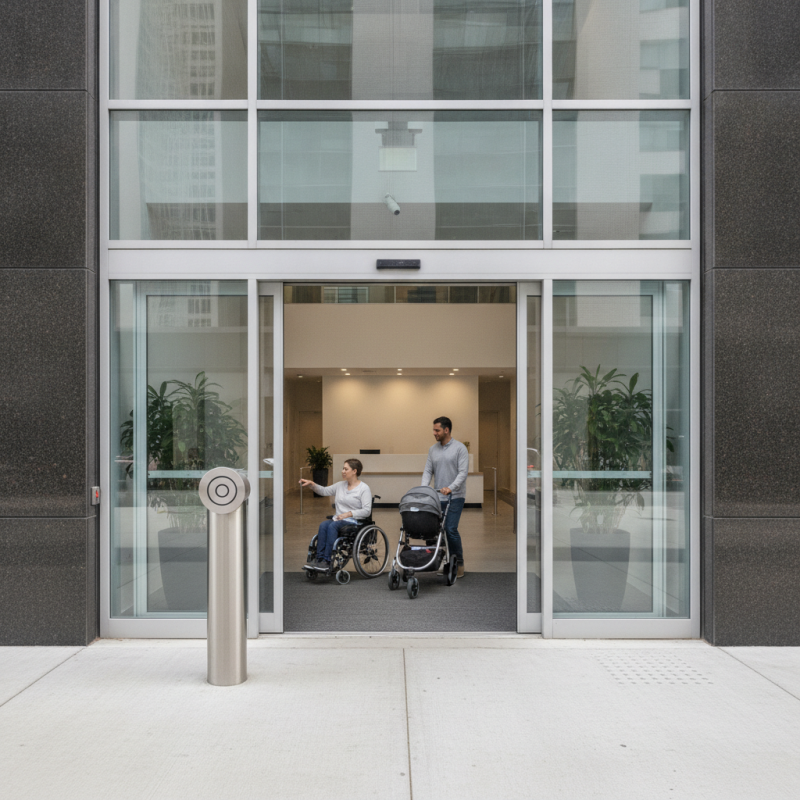
How Door Systems Impact Building Accessibility for All

The Importance of Door Systems in Building Accessibility Standards

Accessible door systems are essential in ensuring that everyone can navigate buildings with ease. This is particularly important for individuals with disabilities, the elderly, and parents with strollers. A well-designed door system can greatly enhance accessibility, providing not only physical access but also fostering a sense of belonging in public spaces.

Compliance with building accessibility standards is more than just regulations. It represents a commitment to inclusivity. For instance, automatic doors are invaluable in reducing barriers. However, their installation is often overlooked. Many buildings still have heavy doors or poorly marked entrances. These issues can lead to frustration and isolation for many users.

Accessible door systems should be evaluated regularly. Designers and builders need to ensure that existing systems are functional. Regular updates and user feedback play a crucial role. Investing in proper signage and adequate space around doors also improves accessibility. Small changes can make a significant difference in creating an environment that welcomes everyone.

Types of Door Systems and Their Accessibility Features

Door systems play a crucial role in ensuring building accessibility. Different door types offer diverse accessibility features. Automatic doors, for instance, provide hands-free access. They can accommodate individuals with mobility challenges. According to a study by the Access Standards Institute, automatic doors increase accessibility by over 30%.

Conversely, manual doors can present barriers. Heavy doors require significant force to open. This can be an issue for those with limited strength. Door width also matters. Doors that are 36 inches wide meet accessibility guidelines. However, many older buildings still use narrower doors.

**Tip:** When designing or renovating, consider door placement. Ensure clear paths near entrances and exits.

Another consideration is door signage. Proper visual and tactile signs help guide individuals. Braille and high-contrast text improve usability for all. In a recent survey, 63% of users found signage inadequate in public spaces. This indicates a clear area for improvement in accessibility design.

**Tip:** Regularly assess doors and signage for compliance. Updating systems can drastically improve user experiences.

Legal Regulations Impacting Door Accessibility in Buildings

Access to buildings must be equitable. Door systems play a crucial role in achieving this. Various legal regulations exist to ensure accessibility. These laws set specific standards for door widths, heights, and force required to open them. For example, the Americans with Disabilities Act (ADA) requires doors to be at least 32 inches wide. This width allows wheelchairs to pass through easily.

However, compliance isn't always straightforward. Some buildings overlook these regulations. They might have narrow or heavy doors that restrict access. This can create barriers for individuals with disabilities. Furthermore, the installation of automatic doors is often mandated. Yet, not every building fully adheres to this requirement. Local codes also vary, leading to inconsistencies across different regions.

Beyond regulations, the design of door systems matters. Visual cues and tactile elements can enhance usability. Lighting around doorways should also be adequate. This isn’t always the case. Poor design choices can result in confusing spaces. Reflecting on these issues helps prioritize true accessibility, making it a shared responsibility for all stakeholders.

Design Considerations for Inclusive Door Systems

Inclusive door systems are vital for enhancing accessibility in buildings. The American Disabilities Act (ADA) specifies that at least 60% of entrances in new buildings must be accessible. This means that designers must create doors that accommodate people with varying mobility needs.

Key considerations include the door width, the type of hardware, and the method of operation. A minimum door width of 32 inches is recommended to allow wheelchair users to pass through easily. However, many buildings still use narrower doors. Smooth automatic doors can be beneficial, but they require proper maintenance to ensure they function correctly.

Additionally, signage should guide users effectively, promoting independence. Visual and tactile indicators can support those with sight impairments. Unfortunately, many facilities overlook these details, leading to unwelcoming environments. It's crucial for architects and builders to prioritize inclusivity in their designs and actively seek feedback from diverse groups. This can lead to richer discussions and ultimately better outcomes.

Technological Innovations Enhancing Door Accessibility for All Users

The evolution of door systems emphasizes the importance of accessibility. Innovative designs are transforming how doors function. Users with mobility challenges, such as those who use wheelchairs, benefit from these advancements. Automatic sliding doors are a key feature in modern architecture. They provide ease of entry and exit, minimizing physical strain.

Smart technology is also enhancing door accessibility. Voice-activated systems allow users to open doors hands-free. Motion sensors can detect approaching individuals, automatically opening doors. This creates a seamless experience for everyone, especially those who may face challenges. However, not all environments have adopted these solutions.

Despite progress, many public spaces still lack accessible doorways. Users may encounter outdated systems that hinder mobility. This inconsistency highlights the need for constant improvement. Designers must prioritize accessibility in all building projects. Ultimately, the focus should remain on creating spaces that welcome everyone.

FAQS

: What role do door systems play in building accessibility?

: Door systems are essential for ensuring access. They provide various features that accommodate different needs.

How do automatic doors support accessibility?

Automatic doors offer hands-free access, benefiting those with mobility challenges. They can improve access by over 30%.

Are manual doors always accessible?

No, manual doors can be barriers. Heavy doors may require excessive force to open, limiting access.

What door width is recommended for accessibility?

Doors should be at least 36 inches wide to meet accessibility guidelines. Many older buildings fall short.

What signage features enhance door usability?

Proper visual and tactile signs, like Braille and high-contrast text, are crucial for guiding users, especially in public spaces.

Are there legal regulations for door accessibility?

Yes, laws set specific standards for door dimensions and force required. Compliance can be inconsistent across buildings.

How does design impact door accessibility?

Good design should include visual cues and adequate lighting. Poor designs can confuse users and hinder access.

What technological advancements are improving door accessibility?

Innovations like automatic sliding doors and voice-activated systems enhance ease of use for individuals with mobility challenges.

Are all public spaces equipped with accessible doors?

No, many spaces still lack modern accessible doorways. This highlights an ongoing need for improvement in accessibility.

How can building designers promote greater accessibility?

Designers should prioritize accessibility in all projects. This helps create spaces that are welcoming and user-friendly for all.

Conclusion

Effective door systems play a crucial role in determining how door systems affect building accessibility for all individuals, including those with disabilities. Accessibility standards mandate specific features in door systems, such as appropriate widths, heights, and ease of operation. Various types of door systems, like automatic or sliding doors, offer distinct advantages that enhance user experience and compliance with accessibility requirements.

Legal regulations greatly influence door accessibility, ensuring that buildings are designed to accommodate everyone. Design considerations for inclusive door systems focus on usability and safety, including features like contrasting colors and tactile indicators. Additionally, technological innovations, like sensor-activated doors and smart systems, are paving the way for a more accessible built environment, making it essential for architects and builders to prioritize these elements in their designs.

Oliver

Oliver

Oliver is a seasoned marketing professional with a wealth of expertise in driving brand awareness and engagement. With a deep understanding of our company's product offerings, he consistently delivers high-quality content that enriches our professional blog. His insights not only shed light on......