In the evolving landscape of home security in 2026, it is vital to understand why entrance doors are important for home security. Entrance doors serve as the primary barrier against unwanted intrusions. A sturdy door can deter most burglars. However, not all entrance doors are created equal. Choosing the right materials and locks is essential.
Many homeowners overlook the significance of entrance doors. They often focus on alarms and cameras, forgetting that a door is the first line of defense. An unsecure entrance can render advanced systems ineffective. Research shows that 34% of break-ins occur through the front door. This statistic highlights the need for stronger, well-installed doors.
Incorporating smart technology also plays a role in enhancing security. Electronic locks and video doorbells can provide added layers of protection. Yet, some may feel overwhelmed by the options available. It’s important to consult with experts to ensure the best choices are made. Understanding why entrance doors are important for home security will help homeowners protect their sanctuaries more effectively.
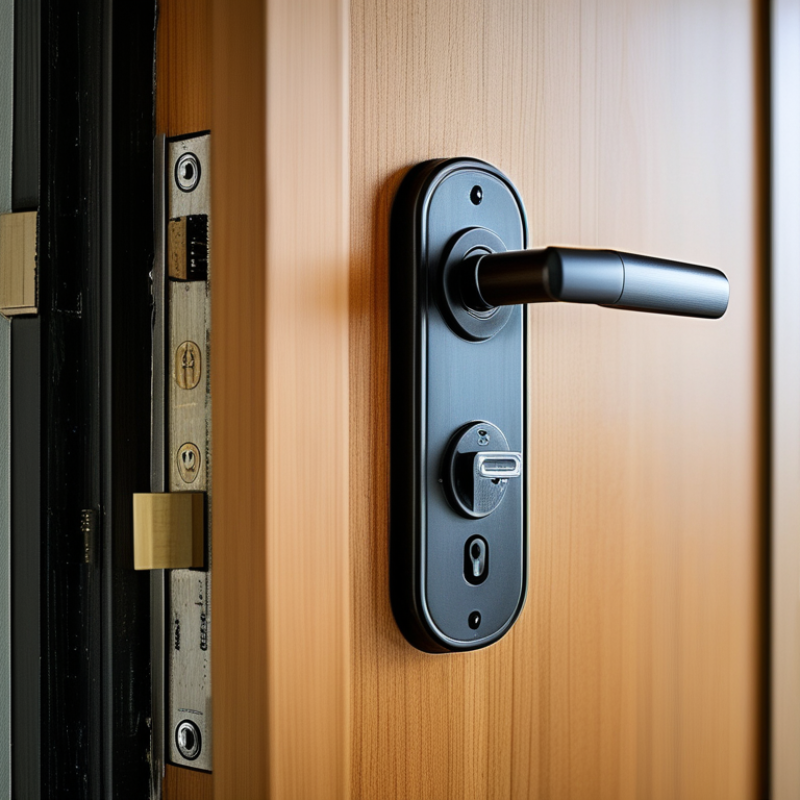
Home security concerns have undergone significant changes in recent years, especially as we approach 2026. In 2023, a report by the Security Industry Association (SIA) revealed that 70% of homeowners prioritize door security over other features. This shift highlights an increasing awareness of how entrance doors serve as the primary barrier against intrusions. As per studies conducted by the Home Safety Council, nearly 30% of break-ins occur through front doors.
The evolution of home security concerns has also led to advancements in door technology. According to data from the National Institute of Standards and Technology (NIST), more homes are adopting smart lock systems and reinforced door structures. By 2026, it is estimated that smart doors may reduce unauthorized entries by 40%. Despite these improvements, some homeowners still neglect basic security measures, relying solely on technology without ensuring their entryways are physically robust.
As the landscape of residential security continues to evolve, the importance of entrance doors remains pivotal. Many experts argue that a multi-layered security approach is fundamental. Yet, some individuals underestimate the threats posed by even minor security flaws at their doors. A vital lesson for homeowners is that vigilance must accompany technology: securing doors is not just about upgrading locks or installing cameras, but also about constant evaluation of existing systems.
| Security Feature | Importance Level (1-5) | Description |
|---|---|---|
| Reinforced Frame | 5 | Provides extra strength against forced entry, making it difficult for intruders to break in. |
| Smart Locks | 4 | Allows remote control and monitoring of door access, enhancing security and convenience. |
| Hardened Glass | 3 | Resistant to shattering; provides visibility while maintaining security. |
| Door Sensors | 4 | Alerts homeowners of unauthorized access; useful in conjunction with smart home systems. |
| Weatherproofing | 3 | Protects against environmental factors, ensuring that security features remain functional. |
: Homeowners prioritize door security above other features, with 70% emphasizing its importance.
Nearly 30% of break-ins occur through front doors, highlighting a significant vulnerability.
More homes are adopting smart lock systems and reinforced door structures for enhanced security.
Smart doors may reduce unauthorized entries by 40% by 2026, indicating promising growth in technology.
Some homeowners neglect basic security measures, relying solely on technology without ensuring physical door strength.
Homeowners should prioritize solid materials, reinforced frames, and high-quality locks for better security.
A poorly installed door may compromise its effectiveness, so professional installation is essential for security.
Not all doors meet safety standards, so research is crucial for informed decision-making regarding security.
Biometric options, like fingerprint recognition, are gaining popularity for added security features.
Homeowners should assess their specific property's weaknesses to enhance their security effectively.
In 2026, understanding why entrance doors are important for home security has become increasingly vital due to the evolution of home security concerns. As crime rates and burglary tactics evolve, homeowners must prioritize the effectiveness of their entrance doors. Modern entrance doors are designed with key features that enhance optimal safety, such as reinforced materials, advanced locking mechanisms, and secure frames that withstand forceful entry.
Technological advancements have further transformed door security systems, introducing smart technologies that allow homeowners to monitor and control access remotely. A comparative analysis of traditional and smart entrance doors reveals significant differences in security measures, with smart doors often providing enhanced surveillance and alarm features. To ensure maximum protection, homeowners should adhere to best practices when selecting and installing secure entrance doors, ultimately strengthening their overall home security strategy.

 Orix Steel