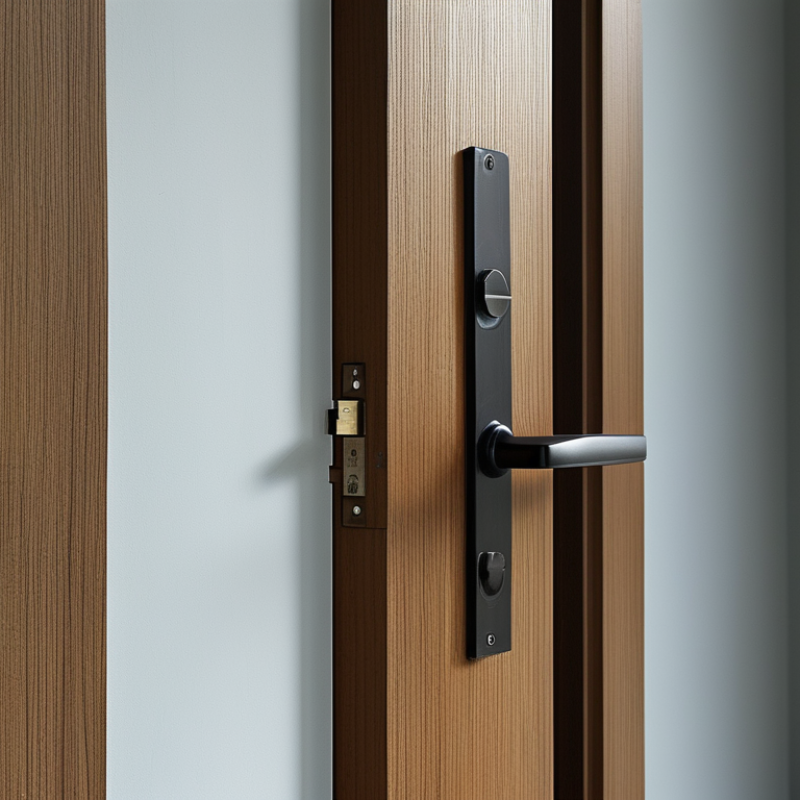
The efficiency of a home largely depends on its entrance doors. They play a crucial role in regulating indoor temperatures and controlling energy costs. According to a report by the National Association of Realtors, nearly 30% of a home's energy loss occurs through poorly insulated doors and windows. This statistic emphasizes the significant impact that these features have on home energy efficiency.
Expert Michael Smith, an industry consultant with over 20 years of experience, states, “Choosing the right entrance door can cut energy costs and enhance comfort levels.” His insights highlight how entrance doors affect home energy efficiency. The right materials and insulation are key factors in this equation. High-quality doors significantly reduce thermal transfer, thereby lowering energy consumption.
Yet, many homeowners overlook this aspect. Often, they focus on aesthetics rather than energy performance. With increasing energy prices, it's essential to reconsider how entrance doors affect home energy efficiency. By making informed choices, homeowners can achieve better energy savings and a more comfortable living environment.
The materials used for entrance doors significantly impact a home's thermal performance. Traditional options include wood, fiberglass, and steel. Each material has unique properties that affect both insulation and energy efficiency. For instance, wood doors offer good insulation but can warp over time. This can lead to gaps that allow air leakage, reducing energy efficiency.
On the other hand, fiberglass doors are known for their excellent insulating properties. They resist moisture and do not warp easily. This durability can lead to better long-term energy savings. However, the initial cost of fiberglass doors might deter some homeowners. Steel doors, while sturdy, can conduct heat and cold, resulting in potential energy loss.
Choosing the right entrance door material requires careful consideration. Homeowners must weigh factors like cost, durability, and insulation. A door that seems ideal on paper may not perform well in real-life conditions. Therefore, it's important to acknowledge that the best choice varies per home. Evaluate local climate conditions and personal needs for optimal energy efficiency.
| Material Type | Thermal Resistance (R-Value) | Energy Efficiency Rating | Average Cost ($) | Lifespan (Years) |
|---|---|---|---|---|
| Steel | 15 | Excellent | 500 | 30 |
| Fiberglass | 13 | Very Good | 800 | 25 |
| Wood | 9 | Good | 600 | 15 |
| Vinyl | 10 | Good | 400 | 20 |
| Aluminum | 7 | Fair | 300 | 15 |
Inefficient entrance doors can significantly impact a home's energy efficiency. Studies indicate that homes lose up to 30% of their heating and cooling through poorly sealed doors. This number can vary based on door material and installation quality. Inefficient doors contribute to higher energy bills and lead to uncomfortable indoor climates.
According to the U.S. Department of Energy, older doors often lack adequate insulation. For instance, a standard exterior door without proper sealing can be equivalent to leaving a window wide open. Many homeowners underestimate this energy loss. Awareness and assessment are crucial.
Tips: Consider switching to energy-efficient doors, which feature better insulation. Regularly inspect door seals for any wear and tear. Adding weather stripping can enhance efficiency and comfort. Simple changes can lead to significant savings over time.
A well-sealed entrance door plays a critical role in enhancing home energy efficiency. Air leaks around doors can lead to significant energy waste. This not only increases your utility bill but also reduces indoor comfort. Drafts can make your living space uninviting. Identifying and sealing these leaks is essential for maintaining a stable indoor temperature.
To prevent air leaks, start by inspecting the doorframe. Look for gaps or cracks around the edges. Use weatherstripping to seal these openings. This simple addition can dramatically improve energy retention. Remember, a solid threshold can also contribute to better sealing. Ensure it fits snugly against the door, minimizing air infiltration.
Another tip involves regular maintenance. Over time, door seals can wear out. It’s wise to check seals annually and replace them as needed. If you feel a draft during colder months, it’s probably time for an upgrade. A well-maintained door can also enhance privacy and noise reduction. Don't overlook the impact of door sealing on your home’s overall energy efficiency.
The insulation ratings of entrance doors play a crucial role in home energy efficiency. A door's insulation determines how well it can retain heat during winter and keep cool air inside during summer. Choosing materials with higher R-values can significantly reduce energy costs over time. Typical materials include fiberglass, wood, and steel, each with varying insulation properties.
When comparing insulation ratings, consider the door's construction. Solid core doors offer better insulation than hollow core counterparts. Look for doors with weather stripping and energy-efficient glass features. This combination minimizes drafts and improves overall thermal performance. Testing a door's fit and seal is essential. Even a well-insulated door can perform poorly if it does not fit snugly.
Tip: Regularly check the seals around your door for gaps or wear. Addressing these can increase energy savings.
Investing in quality doors is wise. However, not all homes require the same types of doors. Assess your local climate and home design before making a decision. This ensures you choose options that fit your specific needs. Always do your research and consult experts to make informed choices.
Energy-efficient entrance doors play a vital role in enhancing a home’s overall energy performance. Studies indicate that an effective door can reduce heat loss by up to 60%. These doors often feature advanced insulation materials and multi-pane glass. This construction minimizes thermal bridging, reducing the strain on heating and cooling systems.
Using energy-efficient doors can significantly lower utility bills. According to the U.S. Department of Energy, homeowners save an average of $500 annually with energy-efficient models. Proper sealing and weatherstripping are essential to maximize benefits. Poor installation can lead to drafts, undermining efficiency claims. Homeowners must pay attention to these details to ensure optimal performance.
Technology is evolving rapidly, with smart features now available. Some doors offer integrated sensors that alert homeowners to temperature changes. These advancements promote proactive energy management. However, early adopters should consider potential maintenance challenges. Regular upkeep is crucial; neglecting it can negate energy savings. Balancing innovation with practicality is a common challenge in home upgrades.
: Entrance door materials significantly affect a home's thermal performance. Different materials offer varying insulation properties.
Wood doors provide good insulation but may warp over time. This can create gaps that allow air leakage.
Fiberglass doors resist moisture and do not warp easily, leading to better long-term energy savings. However, they can be pricey.
While steel doors are sturdy, they can conduct heat and cold. This may result in potential energy loss.
Homes can lose up to 30% of their heating and cooling through poorly sealed doors. Awareness is crucial.
Inspect door seals regularly and add weather stripping. Simple changes enhance efficiency and reduce energy costs.
Energy-efficient doors can lower utility bills significantly. Homeowners may save around $500 annually with these models.
Proper sealing and installation are essential. Poor installation can create drafts, undermining energy efficiency claims.
Some doors now have integrated sensors to alert homeowners about temperature changes, promoting energy management.
Regular upkeep is necessary for optimal performance. Neglecting maintenance can reduce the energy savings from upgraded doors.
Entrance doors play a significant role in determining how entrance doors affect home energy efficiency. The materials used in door construction directly impact thermal performance, with certain materials offering superior insulation that reduces energy loss. In fact, statistics show that inefficient entrance doors are responsible for a substantial amount of energy loss in homes, leading to higher heating and cooling costs.
Moreover, effective sealing around doors can prevent air leaks, further enhancing thermal efficiency. A comparative analysis of door insulation ratings highlights the advantages of energy-efficient door technologies, which not only improve comfort but also contribute to lower energy bills and a reduced carbon footprint. Overall, selecting the right entrance door is crucial for optimizing energy efficiency in the home.
Orix Steel