A door rarely fails because of the panel alone. Hinges, handles, closers, seals, locks, and door stops quietly determine its daily performance. This introduction explores how door accessories improve functionality, especially when selected from China’s best door accessory manufacturers.
Lori Greene, AHC/CDC, an architectural hardware consultant, explains, “The door is a system, not a single product.” Her observation is practical. A strong hinge can prevent sagging, while an adjustable closer can control speed in a busy hallway. A silicone seal may reduce drafts, dust, and rattling around the frame. Small improvements become noticeable every day.
Reliable buyers should examine more than appearance. They should review material grades, load ratings, cycle-test results, installation instructions, and supplier quality records. Stainless steel handles may suit humid entrances better than ordinary plated metal. Ball-bearing hinges can support heavier doors with smoother movement. A properly fitted threshold can reduce water entry during heavy rain.
Still, no accessory solves every door problem. Poor alignment can defeat an expensive closer. A stylish handle may feel uncomfortable after repeated use. Even excellent products need accurate installation and regular inspection. This is where practical experience matters. A factory sample should be tested on the intended door, not judged from photographs alone.
The following outline connects accessory choice with opening force, safety, durability, accessibility, and maintenance. It also considers manufacturing consistency and customization from Chinese suppliers. Some recommendations may require adjustment for climate, traffic, and building use. That limitation deserves attention. Functionality is never created by one impressive component. It comes from several modest parts working together.
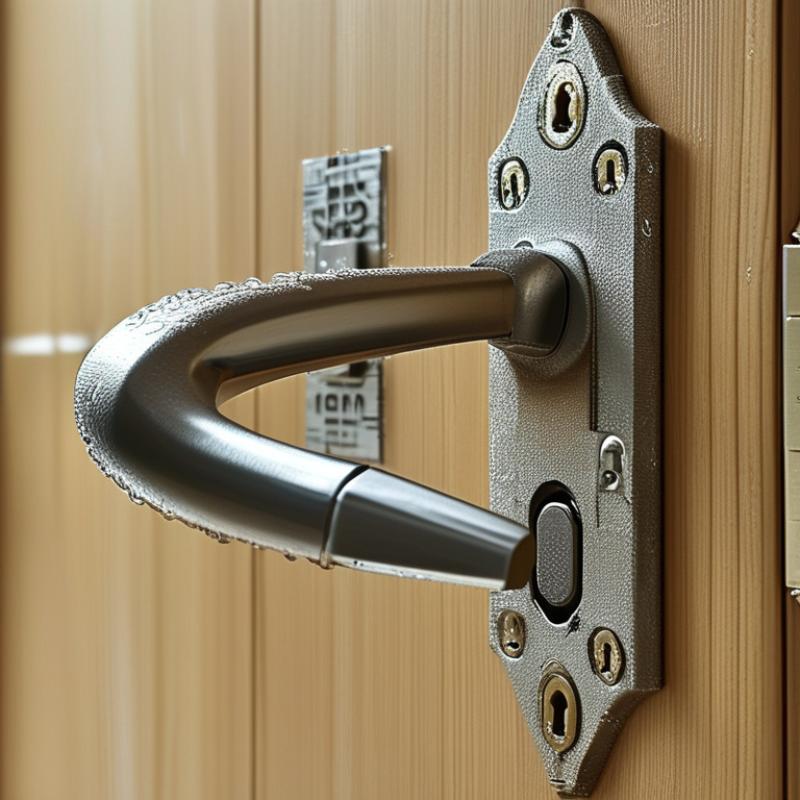
China’s door accessory industry covers a broad range of practical hardware. Common products include hinges, handles, locks, door closers, bolts, stoppers, and sliding-door rollers. These parts support different building needs, from apartments and offices to hotels and workshops.
Hinges are often made from stainless steel, brass, or coated steel. Their thickness and bearing design affect door movement and service life. Handles may use zinc alloy, aluminum, stainless steel, or solid brass. Surface options include brushed, polished, matte, and powder-coated finishes. Sliding-door systems commonly combine steel tracks with nylon or metal rollers. Small details matter here. Poor alignment can create noise, resistance, or uneven gaps.
Chinese manufacturers also produce hydraulic door closers, floor springs, panic-free exit hardware, cabinet-style latches, and weather seals. Door closers require careful adjustment for weight, opening angle, and closing speed. A stronger closer is not always better. It may make daily use uncomfortable. During sourcing, buyers should check material certificates, load tests, salt-spray results, and sample consistency. I have found that attractive samples can hide weak screws or rough internal machining. That lesson deserves attention. Clear drawings and repeated inspections reduce such surprises, although no production process is perfect.
Commonly manufactured door accessories improve smooth operation, access control, safety, and durability. The chart compares representative durability ratings based on commonly specified European performance classifications. Actual values vary by product design, materials, installation, and test grade.
When selecting China’s best door accessories, buyers should examine function before appearance. Essential hardware controls movement, safety, privacy, and daily comfort. Hinges carry the door’s weight and keep the panel aligned. A poorly sized hinge can create rubbing, noise, or premature sagging. In my installation experience, three hinges often improve stability on taller solid doors. Yet the final number depends on weight, height, and material.
A lockset manages controlled access, while the latch keeps the door closed without excessive force. Good handles should offer a firm grip, smooth return, and edges that do not cut the hand. Door closers regulate speed and prevent sudden slamming. Their adjustment matters near bedrooms, offices, and busy corridors. I have seen closers set too fast. That mistake causes vibration and frustrates users. Weather seals reduce drafts, dust, and light around the frame. Thresholds also help manage water, but they must not create a trip hazard.
Stoppers protect walls, handles, and nearby furniture from impact. Floor bolts and flush bolts help secure passive leaves in double-door systems. For accessible spaces, hardware should require modest operating force and provide clear feedback. Stainless steel, brass, aluminum, and coated alloys perform differently in moisture and heavy traffic. Testing should include repeated cycles, corrosion checks, screw strength, and alignment tolerance. Specifications can look impressive. Real doors still reveal weaknesses. Measure the frame, confirm the door weight, and test the complete assembly before approving a large order. Independent test records and clear installation instructions make supplier claims easier to verify.
Quality door accessories directly improve safety, control, and daily performance. A tested closer prevents sudden slamming and helps the door latch fully. This matters during emergencies. NFPA’s Fire Loss in the United States 2023 report recorded about 1,504,500 fires in the United States. Reliable latches, hinges, and fire-rated hardware can help maintain a protected opening when correctly installed. NFPA 80 also requires regular inspection and maintenance of fire door assemblies.
Small details affect accessibility too. The 2010 ADA Standards for Accessible Design generally limit interior door opening force to 5 pounds, excluding fire doors. Low-friction hinges, balanced closers, and properly adjusted handles can make heavy doors easier to use. Weather seals reduce drafts around the frame, while durable thresholds help block dust and water. These parts also protect hinges and locks from repeated impact.
Hardware is not magic. A premium closer still performs poorly when the frame is misaligned. Field experience shows that careless installation often creates more trouble than weak materials. Regular checks should examine loose screws, damaged seals, uneven gaps, and delayed latching. The missed detail may be the dangerous one. Quality accessories improve performance only when their specifications, installation, and maintenance match the door’s actual environment.
Choosing China-made door accessories should begin with the door type, not the lowest quotation. A solid-wood door needs adjustable hinges, reinforced screws, and a latch suited to its weight. For aluminum or glass doors, use corrosion-resistant fittings and precise floor springs. Sliding doors perform better with sealed rollers and tracks that resist dust. Small details matter.
Grand View Research estimates the global door hardware market reached about USD 17 billion in 2023. Its report also forecasts steady growth through 2030. This demand reflects wider use of access control, fire-rated assemblies, and energy-efficient buildings. However, market growth does not guarantee quality. Buyers should request load tests, cycle-test results, material specifications, and factory inspection records. A polished surface proves little.
For exterior doors, stainless steel or properly treated zinc hardware is more reliable in humid conditions. For interior doors, quiet hinges and controlled closers improve daily comfort. Commercial doors require tested panic hardware, electromagnetic locks, and compatible access systems. Always check the door weight, opening frequency, frame material, and installation clearance. The International Door Association reports that poor installation remains a major source of door performance problems. This is often overlooked.
Some inexpensive accessories appear efficient initially. They may loosen after repeated use. A practical trial installation can reveal alignment errors, noise, or weak fixing points before bulk purchasing. Specification sheets are useful, but real samples deserve more attention.
| Door Type | Recommended Accessories | Primary Function | Common Material or Finish | Key Selection Considerations | Typical Performance Benefit |
|---|---|---|---|---|---|
| Interior Wooden Door | Lever handle, tubular latch, privacy lock, hinges, door stopper | Access control Smooth closing |
Zinc alloy, stainless steel, steel, satin or polished finish | Match the latch backset and door thickness; choose a privacy lock for bedrooms and bathrooms; use hinges rated for the door weight. | Improves everyday operation, reduces handle looseness, and helps prevent wall or door damage. |
| Exterior Wooden Door | Mortise lock, exterior lever or pull handle, weather-resistant hinges, threshold seal, door closer | Security Weather protection |
Stainless steel, brass, galvanized steel, corrosion-resistant coatings | Select corrosion-resistant hardware and a lock cylinder suitable for outdoor exposure; check compatibility with the door frame and threshold. | Supports stronger locking, reduces air and water leakage, and provides more controlled closing. |
| Aluminum-Framed Glass Door | Glass door patch fitting, pull handle, floor spring, pivot set, sealing strip | Controlled movement Glass protection |
Stainless steel, aluminum, tempered glass-compatible rubber or silicone seals | Confirm glass thickness, edge clearance, load capacity, and whether the fitting is designed for tempered glass. | Provides stable pivoting, limits impact during closing, and helps maintain alignment between the glass and frame. |
| Frameless Glass Shower Door | Glass hinges, round pull handle, magnetic seal, bottom seal, wall-to-glass connector | Water containment Alignment |
Stainless steel, brass, PVC or silicone sealing materials | Use hardware rated for the actual glass thickness and select seals that tolerate continuous moisture and temperature changes. | Helps the door close consistently, minimizes water splash, and reduces glass-to-wall stress. |
| Sliding Barn or Timber Door | Top-mounted track, rollers, anti-jump guide, floor guide, soft-close damper, pull handle | Space saving Noise reduction |
Carbon steel, stainless steel, nylon or polymer rollers | Calculate the complete door weight, verify track length, and provide adequate wall or header support for the track. | Creates smoother lateral movement, reduces derailment risk, and limits slamming at the end of travel. |
| Pocket Sliding Door | Concealed track, hanger rollers, recessed pull, soft-close mechanism, floor guide | Space efficiency Quiet operation |
Steel or aluminum track, steel hangers, nylon or polymer rollers | Check the pocket frame dimensions, door weight, adjustment range, and service access before installation. | Allows the door to disappear into the wall cavity while improving travel stability and closing control. |
| Commercial Aluminum Door | Lever handle, mortise lock, door closer, exit device, threshold, brush or weather seal | Traffic durability Safety |
Stainless steel, aluminum, steel, anodized or powder-coated finishes | Match the hardware to the aluminum profile, traffic level, fire-rating requirements, and applicable exit-door regulations. | Supports frequent use, improves latching reliability, and helps control door speed in busy areas. |
| Steel Security Door | Multi-point lock, reinforced hinges, security cylinder, escutcheon, door closer, perimeter seal | Forced-entry resistance Sealing |
Hardened steel, stainless steel, zinc alloy, EPDM or silicone gasket | Check lock case dimensions, cylinder compatibility, hinge load rating, and whether the complete assembly meets local security requirements. | Strengthens the locking points, supports heavier leaves, and improves resistance to drafts and impact. |
| Fire-Rated Metal or Timber Door | Fire-rated hinges, closer, latch or lock, intumescent seal, panic exit device | Fire containment Emergency exit |
Steel, stainless steel, fire-rated seals, heat-resistant hardware components | Use only accessories tested and approved for the required door assembly rating; installation must follow the applicable fire-safety standard. | Helps the door self-close, maintain a smoke and fire barrier, and provide rapid egress where required. |
| Automatic Sliding Entrance Door | Operator, motion sensor, safety sensor, guide rail, emergency release, access-control interface | Hands-free access Safety monitoring |
Aluminum, stainless steel, tempered glass, engineered polymer sensor housings | Consider door leaf weight, opening width, traffic frequency, sensor coverage, power supply, and emergency operation requirements. | Improves accessibility and traffic flow while reducing manual contact and uncontrolled closing. |
Selection note: Before purchasing China-made door accessories, verify door dimensions, hardware load ratings, material compatibility, installation clearances, corrosion exposure, and applicable building or fire-safety requirements.
China’s best door accessories only improve functionality when installation matches the door’s design and daily use. Hinges, locks, handles, rollers, and seals must suit the door’s weight, thickness, and opening frequency. During site inspections, I have seen premium hardware perform poorly because installers ignored alignment. A hinge installed two millimeters off can create rubbing, noise, and uneven gaps. Small errors matter.
Before installation, measure the frame carefully and check the wall is plumb. Installers should verify screw length, fixing strength, and clearance around moving parts. For sliding doors, the track must remain level across its full length. For closing devices, adjustment should be gradual, not forced. Avoid forcing parts. It often damages threads.
Maintenance requires a practical schedule rather than occasional repairs. A six-month inspection can reveal loose screws, worn rollers, leaking seals, or stiff locks. Clean moving parts with a soft cloth, then use a suitable lubricant where the instructions allow it. Excess lubricant attracts dust and may reduce smooth movement. Replace damaged components early, especially where door security or fire separation is involved. One overlooked issue is moisture near the lower frame. It can corrode fixings and weaken surrounding materials. I have seen owners blame the accessory when poor drainage caused the failure. That assumption needs review. Reliable performance depends on correct specifications, skilled fitting, and records of every adjustment.
: Hinges, locks, latches, closers, seals, thresholds, and stoppers affect daily performance. Each part controls movement, security, comfort, or protection.
Check the door’s weight, height, material, and opening frequency. Taller solid doors may need three hinges for better stability. The final number still depends on the complete assembly.
A handle should feel firm and return smoothly. Its edges should not cut the hand. The latch should close the door without excessive force.
A closer should control speed and prevent sudden slamming. If adjusted too fast, it can cause vibration and noise. Near bedrooms, slow movement matters.
Weather seals reduce drafts, dust, and light around the frame. Thresholds help limit water entry. They must not create a trip hazard.
Solid-wood doors need strong hinges, reinforced screws, and suitable latches. Sliding doors need sealed rollers and dust-resistant tracks. Glass or aluminum doors need precise, corrosion-resistant fittings.
Request load tests, cycle results, material details, and factory inspection records. Install a real sample and check noise, alignment, and loose fixing points. A polished surface proves little.
Inspect screws, seals, gaps, hinges, and latching regularly. Check whether the door closes smoothly and fully. A checklist can still miss one loose screw.
China-made door accessories include hinges, locks, handles, closers, stoppers, seals, tracks, rollers, and panic or privacy hardware for residential, commercial, and industrial doors. Understanding how door accessories improve functionality begins with their role in supporting smooth movement, controlled closing, secure locking, sound reduction, weather resistance, and convenient daily use. Quality components can reduce friction, prevent misalignment, improve protection against forced entry, and help doors maintain reliable performance over time.
The best accessories should match the door’s material, weight, size, opening frequency, and operating environment. For example, sliding doors require suitable tracks and rollers, while heavy entrance doors need strong hinges, dependable locks, and effective closers. Correct installation is essential because poor alignment or loose fasteners can reduce safety and shorten service life. Regular cleaning, lubrication where appropriate, tightening, and inspection of seals and moving parts will further preserve functionality and performance.

Orix Steel