How to Maintain Door Hardware for Long Term Use?

Time:2026-09-18 Author:Aria
0%

Door hardware rarely fails without warning. A closer begins to slam, a lever feels loose, or a latch stops entering the strike cleanly. These small signs can become expensive failures when ignored. Learning how to maintain door hardware for long-term use protects daily operation, safety, and the building’s professional appearance.

Lori Greene, DAHC, a respected door-hardware consultant and code resource author, says, “Maintenance is not a one-time event; it is an ongoing process of inspection, adjustment, and documentation.” Her point matters in real buildings. A maintenance worker may find metal dust beneath a hinge, fingerprints trapped around a panic device, or oil leaking from a closer. Each detail tells a story. Wipe surfaces with a soft, damp cloth. Tighten suitable fasteners carefully. Check that doors close without dragging, bouncing, or striking the frame.

Do not spray general-purpose oil into every lock or hinge. Some products attract dust, damage finishes, or interfere with internal parts. Use the manufacturer’s recommended lubricant and follow the product instructions. Fire-rated, emergency-exit, and accessibility hardware also deserve qualified inspection. Small adjustments can affect safe egress and reliable latching.

A useful schedule is simple.

Inspect monthly.

Clean gently.

Record changes.

Still, maintenance plans are not perfect. Heavy traffic, humidity, salt air, and misuse can shorten service life. A quiet door may hide a developing problem. When a component repeatedly loosens or fails, replacement may be wiser than repeated adjustment. Long-term performance comes from consistent attention, accurate records, and the humility to ask a qualified professional when conditions exceed routine maintenance.
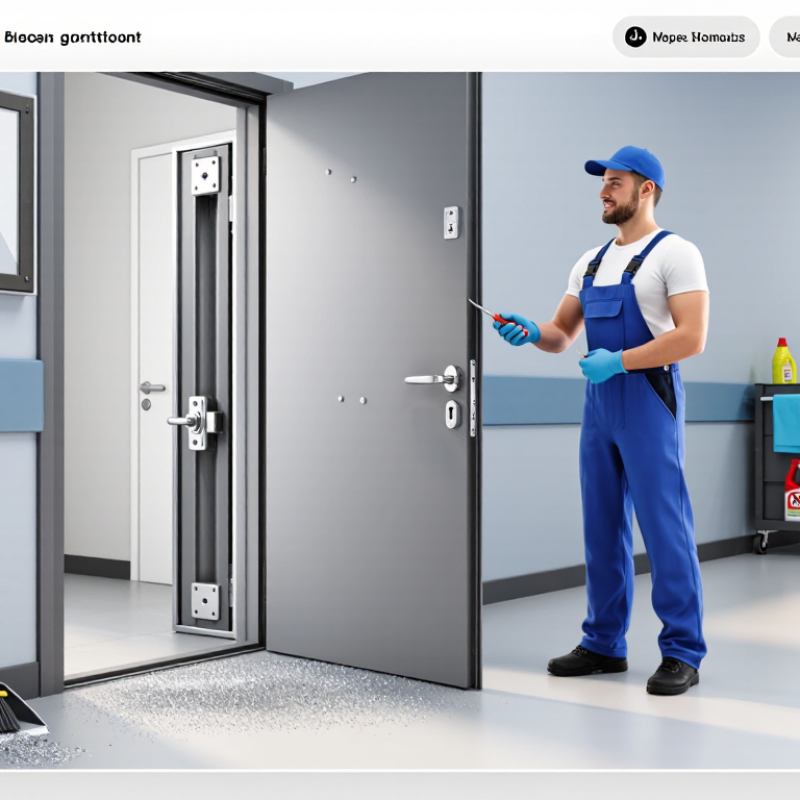
How to Maintain Door Hardware for Long Term Use?

Understanding Door Hardware Materials and Common Wear Factors

How to Maintain Door Hardware for Long Term Use?

Door hardware lasts longer when its material matches the surrounding conditions. Stainless steel handles resist moisture and frequent touching, but salt air can still create surface staining. Brass develops a natural patina and may need gentle polishing. Aluminum is light and practical, although its softer surface can scratch more easily. Zinc alloy often supports decorative shapes, yet impacts may damage its finish.

Small details matter. Dust works like fine sand inside hinges, latches, and sliding parts. Moisture encourages corrosion, especially around exposed screws and concealed edges. Frequent slamming can loosen fasteners and distort the latch alignment. Temperature changes may also expand the door slightly, increasing friction.

In busy buildings, I check hinge movement, handle return, and strike-plate contact during routine inspections.

Use a soft cloth and mild soapy water for regular cleaning. Dry every joint afterward. Avoid abrasive pads and strong solvents, because they can remove protective coatings. Apply a small amount of suitable lubricant to moving parts, but keep it away from painted surfaces and dust-prone areas. Tighten loose screws carefully; overtightening can deform thin metal or strip the fixing point.

I once focused only on visible rust and missed a misaligned strike plate. The door looked clean, but the latch was wearing unevenly. That mistake changed my checklist. Not always. Surface appearance cannot reveal every maintenance problem.

Inspecting Hinges, Locks, Handles, and Other Hardware Components

How to Maintain Door Hardware for Long Term Use?

Inspecting hinges, locks, handles, and related hardware prevents small defects from becoming expensive failures. NFPA’s Fire Loss in the United States During 2023 reports 1,388,500 fires in the United States. Reliable doors support safe movement during stressful conditions. NFPA 80 (2022) also requires documented annual inspections for fire door assemblies.

Start with the hinges. Check for loose screws, metal dust, uneven gaps, or a door that drops against the frame. Tighten suitable fasteners without crushing the frame material. Apply only the lubricant approved for that hardware. Excess oil attracts grit. Listen closely. A sharp squeak can reveal pressure or misalignment.

Listen closely. A sharp squeak can reveal pressure or misalignment.

Test each lock, latch, handle, closer, strike, and flush bolt by hand. The latch should enter the strike smoothly without forcing the handle. A handle that fails to return needs prompt attention. Check closers for leaking fluid, weak closing, or sudden movement. Inspect thresholds and weather seals for wear, corrosion, and trapped debris. In coastal or humid areas, inspect more often.

Record the date, defect, adjustment, and replacement decision. Photographs help compare gradual changes. I have seen teams tighten handles repeatedly while ignoring a warped frame. That approach wastes time. Maintenance logs should trigger a closer inspection when the same fault returns. Not every squeak means failure, but every repeated symptom deserves a reason.

Cleaning Door Hardware Without Causing Surface Damage

How to Maintain Door Hardware for Long Term Use?

Cleaning door hardware requires patience, not aggressive products. Dust often carries tiny grit that can scratch polished surfaces. Begin by wiping the handle with a dry, soft microfiber cloth. Use gentle, overlapping strokes. Do not scrub.

For fingerprints or greasy marks, dampen the cloth with warm water and a small amount of mild, pH-neutral soap. Never spray liquid directly onto the hardware. Moisture can enter seams, locks, or electronic components. Wipe away soap residue immediately, then dry the surface completely. A cotton swab can reach narrow edges without forcing liquid inside.

Different finishes need different care. Test any cleaning solution on a hidden area first. Avoid abrasive powders, steel wool, rough sponges, bleach, and strong acidic cleaners. These products may dull plating or remove protective coatings. Lacquered, painted, and antique-style surfaces are especially sensitive.

I once cleaned a handle too often, thinking extra care meant better care. It developed a cloudy appearance. Less was safer.

Check the finish after cleaning, especially around screws and hinges. If discoloration appears, stop and seek professional guidance rather than polishing harder. Regular light cleaning usually protects the surface better than occasional intensive treatment.

Lubricating and Adjusting Hardware for Smooth Operation

How to Maintain Door Hardware for Long Term Use?

Smooth operation begins with small, regular checks. Dust often collects around hinges, pivots, latches, and closer arms. Wipe these areas with a dry cloth before applying lubricant. Use a light, non-staining lubricant suitable for the hardware material. Apply only a few drops. Too much oil attracts grit and may slow the latch. ANSI/BHMA A156.4 rates Grade 1 door closers for up to 2 million operating cycles, but poor adjustment can shorten that service life.

Check the door every three months in busy buildings. Open it halfway and release it. The leaf should move steadily, without scraping the floor or frame. Tighten loose screws, but do not overtighten them. That mistake can distort hinge leaves. Adjust the closer’s closing speed gradually, using small quarter-turns. The latch should engage fully without slamming.

NFPA 80 requires documented inspections of fire door assemblies at least annually, including hardware condition and closing performance. Never disable a self-closing or latching device.

I once solved a “broken” latch by correcting a shifted strike plate. No replacement was needed. Still, my first adjustment was too fast, and the door closed harshly. That was a useful reminder.

Measure the gap before changing hardware. If the door remains stiff after cleaning and alignment, inspect concealed wear, damaged springs, or frame movement. Follow the hardware maker’s maintenance instructions, because lubricant compatibility and adjustment limits can differ.

Repairing, Replacing, and Protecting Hardware for Long-Term Use

Door hardware lasts longer when small problems are handled early. In regular building maintenance, I inspect hinges, locks, closers, handles, and strike plates every few months. A loose screw can distort alignment. A stiff latch often signals dirt, worn parts, or pressure from a shifted door.

Repair should match the damage. Tighten suitable fasteners, realign the strike plate, and clean moving surfaces with an approved product. Avoid forcing a key or flooding a lock with oil. If a spring feels weak, a closer leaks, or metal is cracked, replacement is safer than repeated adjustment. Use compatible parts with matching dimensions and load ratings. Record the date and the fault. This simple log helps reveal recurring failures.

Protection depends on the environment. Wipe moisture from exterior hardware, especially after rain or cleaning. In coastal or humid areas, inspect for pitting and corrosion more often. Abrasive pads can remove protective finishes quickly. I once ignored a slightly loose handle, assuming it was harmless. It later damaged the mounting holes and required a larger repair. That mistake changed my routine. I now test operation gently, listen for grinding, and stop when resistance feels abnormal. A qualified technician should assess fire-rated, emergency, or access-controlled assemblies, because an incorrect repair can affect safe operation.

How to Maintain Door Hardware for Long-Term Use? — Repairing, Replacing, and Protecting Hardware for Long-Term Use

Hardware Component Recommended Check Routine Maintenance Repair When You Notice Replace When Suggested Interval Priority
Hinges Check for loose screws, sagging, noise, uneven gaps, or binding during opening. Tighten suitable screws and apply a small amount of manufacturer-approved lubricant to moving points. Remove excess lubricant. Squeaking, minor stiffness, or slight door movement caused by loose fasteners. The hinge leaf is cracked, badly bent, excessively worn, or no longer supports the door safely. Every 6–12 months Monitor
Latches and Deadbolts Confirm that the latch or bolt extends fully and enters the strike without force. Clean the mechanism and adjust the strike plate if alignment has changed. Use only suitable lock lubricant. Intermittent sticking, incomplete engagement, or a strike plate that has shifted. The bolt is bent, the mechanism remains unreliable after adjustment, or internal parts are severely worn. Every 6 months Monitor
Lock Cylinders Test key insertion, rotation, and withdrawal without excessive force. Keep the keyway free from dirt and use a lock-specific dry lubricant when required. Do not force a damaged key. Minor stiffness caused by contamination or a poorly aligned door. The cylinder binds repeatedly, shows physical damage, or a key has been lost or compromised. Every 6–12 months Urgent if unreliable
Door Closers Check controlled closing, latch engagement, arm fasteners, and signs of hydraulic oil leakage. Inspect mounting screws, keep the arm joint clean, and adjust closing speed only within the product’s adjustment range. Slamming, failure to close, delayed latching, or loose arm connections. Hydraulic fluid leaks, the body is damaged, or adjustment cannot restore controlled closing. Every 6 months Urgent
Lever Handles and Knobs Check for looseness, wobbling, sharp edges, and smooth return to the resting position. Tighten concealed or visible fasteners and clean with a soft, slightly damp cloth. Avoid abrasive cleaners. Loose trim, minor wobble, or a handle that does not return correctly because of loose hardware. The handle is cracked, has sharp exposed damage, or the return mechanism remains defective. Every 6–12 months Monitor
Strike Plates Verify that screws are secure and the latch or bolt contacts the center of the opening. Remove debris, tighten fasteners, and realign the plate if the door frame has shifted slightly. Rubbing, chipped edges, loose screws, or a latch that hits the plate. The plate is badly distorted, cracked, corroded through, or no longer provides a secure contact surface. Every 6 months Monitor
Door Stops Check that the stop contacts the door before the handle or wall is damaged. Tighten the mounting point and clean the contact surface. Replace worn rubber or polymer cushions. Movement, loose mounting, or a damaged bumper that no longer absorbs impact. The stop is bent, detached, cracked, or fails to prevent damaging over-travel. Every 12 months Routine
Thresholds and Sweeps Look for drafts, daylight, water entry, loose fasteners, and contact with the floor. Clear dirt from the threshold and adjust or clean the sweep so it seals without dragging excessively. Small gaps, minor air leakage, loose fasteners, or uneven contact. The seal is split, permanently compressed, corroded, or unable to prevent significant air or water leakage. Every 6–12 months Monitor
Surface Finishes Inspect for corrosion, peeling coating, discoloration, and damage from moisture or cleaning chemicals. Wipe with a soft cloth and mild diluted soap, then dry thoroughly. Avoid steel wool, bleach, and abrasive products. Early surface discoloration or residue that can be removed without damaging the finish. Corrosion has weakened the component, plating is extensively detached, or damage exposes vulnerable base metal. Every 3–6 months Routine
Exit and Emergency Hardware Test operation according to local safety requirements without obstructing or disabling the exit route. Keep the push bar, touch pad, and surrounding area clear. Check fasteners and visible damage. Sticking, delayed release, loose components, or incomplete latching. Any safety-critical part is damaged, unreliable, or fails the required functional test. Monthly and after heavy use Urgent

Maintenance intervals should be shortened for exterior doors, coastal or high-humidity locations, high-traffic entrances, and doors exposed to dirt or corrosive cleaning chemicals. Always follow the applicable product instructions and local safety requirements.

FAQS

How often should door hardware be inspected?

Check busy doors every three months. Fire door assemblies need documented inspections at least annually. Coastal and humid areas may require more frequent checks.

What signs suggest a hinge problem?

Look for loose screws, metal dust, uneven gaps, or a door dropping against the frame. A sharp squeak may indicate pressure or misalignment.

How can door hardware be cleaned safely?

Wipe surfaces with a dry microfiber cloth. For greasy marks, use warm water and mild, pH-neutral soap. Dry everything immediately.

Which cleaning products should be avoided?

Avoid bleach, abrasive powders, steel wool, rough sponges, and strong acids. These can dull plating or remove protective coatings.

How should hinges and latches be lubricated?

Remove dust with a dry cloth first. Apply only a few drops of compatible, non-staining lubricant. Excess oil attracts grit.

How can a closer be adjusted properly?

Adjust the closing speed gradually, using small quarter-turns. The latch should engage fully without slamming. Never disable a self-closing device.

What should be recorded after maintenance?

Record the date, defect, adjustment, and replacement decision. Add photographs when possible. Repeated faults deserve closer investigation.

Does every squeak mean hardware failure?

No. A squeak may come from dirt, pressure, or slight misalignment. Still, repeated noise needs a reason, not repeated lubrication alone.

What should be checked when a latch feels broken?

Inspect the strike plate, door gap, frame, and concealed springs. A shifted strike may cause the problem. I once adjusted too quickly, and the door closed harshly.

Conclusion

Learning how to maintain door hardware for long-term use begins with understanding the materials involved, such as stainless steel, brass, aluminum, and coated metal, along with the wear caused by moisture, dust, repeated operation, and improper handling. Regularly inspect hinges, locks, handles, closers, and screws for looseness, rust, cracks, unusual noise, or resistance. Clean each component with a soft cloth and a mild, non-abrasive solution, then dry it thoroughly to prevent surface damage and corrosion.

For smooth and reliable operation, apply a suitable lubricant sparingly to moving parts and avoid over-lubrication, which can attract dirt. Adjust loose screws, misaligned components, and excessive tension as soon as problems appear. Severely damaged or worn hardware should be repaired or replaced with compatible parts. Protective measures, including keeping hardware dry, reducing impact, and scheduling routine inspections, can extend its service life, improve safety, and help maintain consistent door performance over time.

Aria

Aria

Aria is a dedicated marketing professional with a deep passion for innovative strategies and a keen understanding of our company's product offerings. With a wealth of experience in the industry, Aria excels at crafting engaging content that highlights the unique features and benefits of our......