When considering home security, many buyers often overlook the importance of their entrance doors. A safe and durable entrance door is the first line of defense against intruders. According to a report by the National Association of Home Builders, 68% of home break-ins occur through the front door. This emphasizes the need for robust door solutions.
Expert Mark Roberts, a leading consultant in door safety, states, "What makes an entrance door safe and durable goes beyond materials; it involves design and locking mechanisms." Buyers should look for doors that incorporate advanced features such as multi-point locking systems, solid core materials, and reinforced frames. These elements not only enhance security but also contribute to the longevity of the door, providing peace of mind for homeowners.
However, not all doors meet these standards. Some may appear sturdy but fail in real-world scenarios. It is crucial for buyers to educate themselves on what makes an entrance door safe and durable. Investing in quality doors is a long-term commitment that directly impacts home safety. Ultimately, poor choices in door selection can leave homes vulnerable, urging a thoughtful decision-making process.
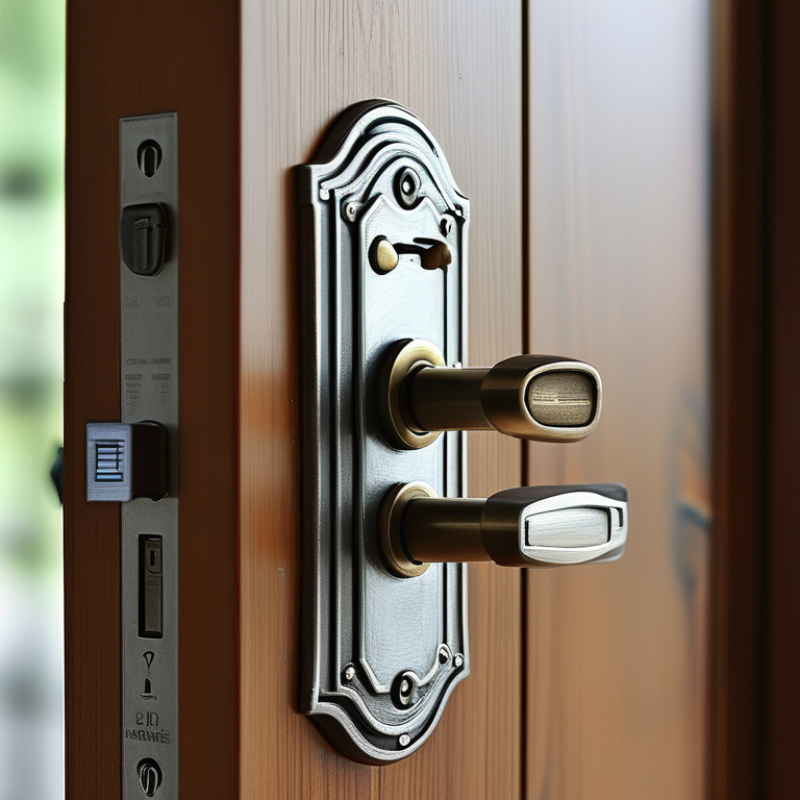
When considering entrance doors, the materials used play a crucial role in enhancing safety and durability.
Steel doors are popular for their strength. According to the Door and Access Systems Manufacturers Association (DASMA), steel doors can withstand severe weather and physical impact. They can resist forced entry attempts, making them a reliable choice for homeowners.
Fiberglass doors are also notable for their durability. They resist warping and are immune to moisture damage. In fact, a study by the National Association of Home Builders (NAHB) reveals that fiberglass offers up to five times the R-value of traditional wood doors. This thermal efficiency means that they can help regulate indoor temperature, contributing to energy savings over time.
Wood, while aesthetically pleasing, presents challenges. Its susceptibility to moisture can lead to rot, reducing lifespan. Reports indicate that poorly maintained wooden doors can fail in as little as five years. Regular upkeep is vital to maintain their security features and aesthetics. Thus, the choice of material directly impacts not only safety but longevity and maintenance needs. Each option has its pros and cons, highlighting the importance of informed decisions in door selection.
When considering an entrance door, construction techniques are vital for safety and durability. Solid core doors, for instance, offer excellent protection. They consist of a sturdy inner material that withstands impact. Reinforced frames also contribute significantly. A well-reinforced frame can prevent forced entry and improve door longevity.
Another important aspect is the choice of materials. Many doors are made from wood, steel, or fiberglass. Each material has unique strengths. Steel provides unmatched security but can be susceptible to rust. Wood offers aesthetic appeal but requires regular maintenance. Fiberglass often stands up well against the elements.
Locking mechanisms add another layer of security. High-quality deadbolts can deter intruders effectively. However, installation quality matters too. Poorly installed locks may create vulnerabilities. Buyers should consider not only the door itself but also the installation process to ensure optimal safety. Building a safe entrance door involves detailed attention to various elements and techniques.
When considering the security features of an entrance door, several essential elements stand out. A solid core construction is vital. This type of door provides strength and resistance against forced entry. Additionally, a door with reinforced frames significantly enhances overall stability. The materials chosen play a crucial role too. Steel and fiberglass are fantastic options, as they withstand various impacts. Importantly, the door should have reliable locking mechanisms. Deadbolts, particularly those with a minimum throw length, add an extra layer of defense.
In today's market, homeowners are increasingly aware of their vulnerabilities. Smart locks have gained popularity due to their convenience and technology integration. Features like real-time alerts and remote access provide peace of mind. However, these can sometimes become complicated for people unfamiliar with tech. Therefore, it’s essential to balance advanced features with user-friendliness. Moreover, adequate installation is often overlooked. A professional installation ensures that the door aligns perfectly with the frame, preventing gaps that could be exploited.
Considering aesthetic appeal is also important. A visually pleasing door can deter potential intruders simply by promoting a neighborhood watch sense. However, it should never take precedence over security. The perfect entrance door should embody both safety and visual charm, reflecting the homeowner's personality while prioritizing durability. Striking this balance can be challenging but ultimately rewarding.
Keeping your entrance door in optimal condition requires regular maintenance. Check for signs of wear like cracks or peeling paint. A door in good shape prevents drafts and enhances home security. Treat scratches promptly; use wood fillers for wooden doors. For metal doors, apply rust-resistant paint, ensuring protection against elements.
Cleaning is essential. Use a mild detergent to wipe down the surface. Avoid harsh chemicals, as they can damage the finish. Inspect hinges and locks frequently. Lubricate them if they start to squeak. Tighten loose screws to ensure stability. These small actions can significantly extend the life of an entrance door.
Consider seasonal changes. In winter, weather stripping may need replacing. A proper seal blocks cold air and moisture. In summer, check for swelling from humidity. A well-maintained door not only looks good but also saves energy. Each detail matters in sustaining your door's functionality. Reflect on your maintenance routine. Even minor adjustments can yield impressive results over time.
| Feature | Importance | Maintenance Tips | Expected Lifespan |
|---|---|---|---|
| Material Quality | High-quality materials resist impact and weather | Regularly inspect for damage; use protective coatings | 15-25 years |
| Locking Mechanisms | Secure locks deter unauthorized access | Maintain locks with graphite lubricant; replace worn parts | 10 years |
| Weather Resistance | Prevents warping and deterioration from elements | Seal gaps and weatherstrip annually; repaint if needed | 20+ years |
| Aesthetics | Enhances curb appeal and property value | Clean regularly; apply finishes as needed | 10-15 years |
| Installation Quality | Proper installation ensures functionality and safety | Hire professionals for installation; check fit and alignment | Lifetime of door |
Weather resistance plays a critical role in the safety and longevity of entrance doors. Doors that can withstand extreme temperatures, heavy rain, and strong winds are essential. Without proper weather resistance, doors can warp, swell, or even crack. This deterioration compromises security and functionality.
Moisture can lead to mold growth, weakening the door's structure. When choosing a door, consider materials that are known for their durability in adverse weather conditions. For instance, fiberglass and steel often provide better performance than traditional wood when exposed to the elements.
Buyers should also think about maintenance. Regular treatments and inspections can prolong a door's life. A poorly maintained door may not only fail to provide safety but also become an eyesore. It's important to reflect on the balance between beauty and durability in your selection process.
: Steel and fiberglass are strong options. They withstand weather and physical impact.
Fiberglass has a high R-value. It regulates indoor temperature, reducing energy costs over time.
Wooden doors can rot due to moisture. Poor maintenance can lead to failure in five years.
A solid core construction strengthens the door. It resists forced entry effectively.
Reliable locks, like deadbolts, add extra security. They prevent unauthorized access to the home.
Smart locks offer tech integration. They provide real-time alerts and remote access for peace of mind.
Regularly check for wear, clean surfaces, and lubricate hinges. Small actions can enhance longevity.
Improper installation creates gaps. These gaps can be exploited by intruders, compromising security.
Weather stripping may need replacing in winter. In summer, check for swelling due to humidity.
Choose a door that looks good but prioritizes safety. Balance aesthetics and durability is key.
When considering what makes an entrance door safe and durable, several key factors come into play. The choice of materials significantly impacts safety, with robust options such as steel and fiberglass often preferred for their strength and longevity. Additionally, advanced construction techniques enhance door security, ensuring they can withstand forced entry and weather extremes alike. Essential security features, including high-quality locks and smart technology integrations, further bolster a door’s protective capabilities.
Equally important is the maintenance of these doors, which is crucial for prolonging their lifespan and effectiveness. Regular upkeep not only prevents deterioration but also ensures continued resistance to weather conditions that can compromise safety. Ultimately, understanding these aspects can help buyers select entrance doors that provide both security and durability, making informed decisions vital for their homes.

Orix Steel