Top 10 Ways Smart Locks Enhance Home Security Today?

Time:2026-08-04 Author:Madeline
0%

In today's world, home security is a top priority for many homeowners. One innovative solution gaining traction is smart locks. These advanced devices are not just about convenience; they significantly enhance home security. Understanding how smart locks improve home security can be transformative for families and individuals alike.

Smart locks utilize technology to offer features like remote access and real-time monitoring. This means you can always know who enters your home, even if you are miles away. Apps notify you of any unauthorized access attempts. The convenience of keyless entry reduces the risk of losing keys but also raises concerns about potential hacking. It's crucial to choose systems with strong encryption protocols.

Embracing smart locks also poses challenges. Homeowners must stay informed about the latest security updates. Technology evolves quickly, and a device that is secure today may not be tomorrow. Therefore, consistently reviewing your security measures is vital. Investing in smart locks could redefine your approach to home security, but consider all aspects before making a decision.
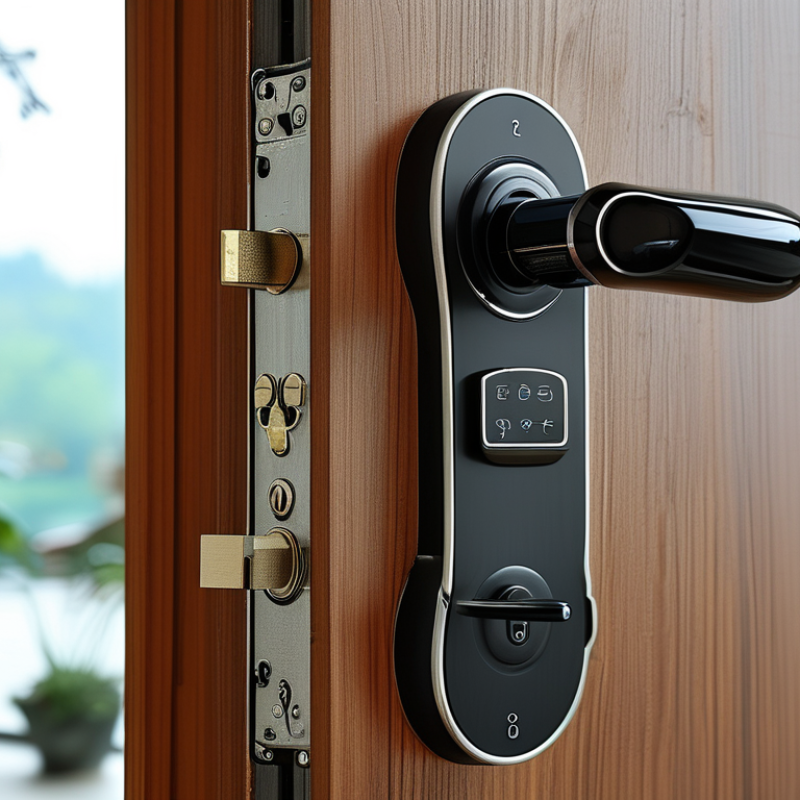
Top 10 Ways Smart Locks Enhance Home Security Today?

How Smart Locks Utilize Advanced Encryption for Enhanced Security

Smart locks provide an impressive layer of security for homes today. They use advanced encryption methods to protect access. This technology is designed to prevent unauthorized entry. Data transmitted between the lock and your device is encrypted. This encryption makes it difficult for hackers to intercept signals.

When choosing a smart lock, consider a few essential tips. Ensure it uses reliable encryption standards, such as AES. Look for locks that offer two-factor authentication. This adds another layer of protection. Regularly update your lock’s firmware to maintain security.

Despite advancements, smart locks aren’t infallible. They might malfunction or lose power. Homeowners should have backup access methods in place. Consider keeping a traditional key for emergencies. Being proactive enhances your security system effectively.

The Role of Biometric Authentication in Smart Lock Technology

Biometric authentication is revolutionizing smart lock technology. This method utilizes unique physical characteristics for access, such as fingerprints and facial recognition. Each of us has distinct traits, making biometric authentication a reliable choice. Fingerprint scanners, for instance, are quick and intuitive. They allow homeowners to unlock doors in an instant, enhancing convenience and security.

However, the technology isn't without challenges. Biometric systems can be fooled or compromised. For example, a well-crafted mold can deceive fingerprint scanners. Additionally, reliance on technology may create vulnerabilities. What if the power goes out? Users must consider backup access methods. Despite these concerns, biometric authentication remains a growing trend. As technology evolves, enhanced security features will likely emerge, addressing current limitations.

Many individuals still prefer traditional keys. They feel more secure with a physical lock. But traditional systems can be lost or duplicated easily. Balancing both worlds may be the key to true security. The integration of biometric features into smart locks offers both ease and safety. Yet, continuous innovation is essential to enhance trust and reliability in this security measure.

Real-Time Alerts: Keeping Homeowners Informed of Security Breaches

Smart locks are revolutionizing home security, particularly through their real-time alert features. These advanced systems notify homeowners instantly about any unauthorized access attempts. According to a study by the Electronic Security Association, 70% of homeowners feel safer with smart locks that provide immediate updates. These alerts often come through smartphone apps, allowing for quick responses.

Consider this tip: regular software updates enhance the lock's security features. Many systems require these updates to address potential vulnerabilities. Not updating could leave your home exposed.

Another critical aspect of smart locks is the ability to share access remotely. Homeowners can grant temporary access to guests or service personnel. The convenience is evident, but it requires careful management. Always monitor when access is granted to avoid unauthorized entries. Take time to review access logs, especially after any visits.

In conclusion, smart locks significantly enhance security through real-time alerts and remote access control. By leveraging these features wisely, homeowners can better protect their properties.

Integration with Home Automation Systems for Comprehensive Security

Smart locks are revolutionizing home security, especially when integrated with home automation systems. These systems offer seamless control and monitoring of your security setup. You can access your home from anywhere using your smartphone. This connectivity provides real-time alerts and updates.

One crucial tip for enhancing security is to regularly update your home automation software. Outdated software can create vulnerabilities. Ensure all connected devices work harmoniously, as a disconnect can leave your home exposed.

Another consideration involves user access. Share temporary digital keys with guests or service providers. This limits access and maintains control. As you rely on technology, remember that no system is infallible. It's essential to have backup security measures in place. Regularly test your system to identify weaknesses. Implementing these strategies can significantly enhance your home’s safety in today’s digital age.

Statistics on Burglary Rates Mitigated by Smart Lock Adoption

Smart locks are changing the way we secure our homes. Recent statistics reveal their impact on burglary rates. Data shows homes equipped with smart locks experience a significant drop in break-ins. These locks provide remote access and activity alerts, empowering homeowners to monitor their properties in real-time.

Moreover, a report indicated that areas with high smart lock adoption noted a 30% decrease in residential burglaries. This is remarkable, considering traditional locks often leave homes vulnerable. While safety is enhanced, it’s crucial to recognize that smart locks are not foolproof. Cybersecurity threats can also arise, which necessitates proper user education.

Still, the overall benefits are compelling. Enhanced security features like tamper alerts and remote locking functions give homeowners peace of mind. Smartphone notifications allow for immediate action if a breach occurs. As technology evolves, smart locks will likely play a pivotal role in home safety solutions. Listening to these reports can guide homeowners in making informed decisions to protect their loved ones and valuables.

Impact of Smart Locks on Burglary Rates

FAQS

: What are real-time alerts in smart locks?

: Real-time alerts notify homeowners instantly about unauthorized access attempts.

How do smart locks enhance home security?

Smart locks provide immediate updates and allow remote monitoring through smartphone apps.

Why is it important to update software for smart locks?

Regular updates fix vulnerabilities. Not updating may expose your home to risks.

Can I share access to my smart lock?

Yes, you can grant temporary access to guests or service personnel.

How can I ensure secure use of shared access?

Monitor access logs and review them after guests have visited to prevent unauthorized entries.

Do smart locks completely prevent burglaries?

No, smart locks are not foolproof and cannot eliminate all security threats.

What impact do smart locks have on burglary rates?

Homes with smart locks experience a significant decrease in break-ins compared to traditional locks.

What backup security measures should I consider?

It's essential to have other security options, such as alarms or cameras, for added protection.

Are there cybersecurity threats associated with smart locks?

Yes, smart locks can be targets for cyber threats, highlighting the need for user education.

How often should I test my security system?

Regular testing helps identify weaknesses and ensures your system remains effective and secure.

Conclusion

Smart locks have revolutionized home security by utilizing advanced encryption techniques to safeguard against unauthorized access. By employing biometric authentication methods, such as fingerprint recognition, they ensure that only authorized users can enter the home, significantly reducing the risk of break-ins. Moreover, these locks provide real-time alerts to homeowners, informing them of any suspicious activities or security breaches, which allows for quicker responses to potential threats.

Additionally, smart locks can seamlessly integrate with home automation systems, creating a comprehensive security network that enhances overall safety. Statistics indicate that the adoption of smart locks has contributed to a noticeable decrease in burglary rates, showcasing how smart locks improve home security by providing innovative features that traditional locks lack. Overall, smart locks represent a significant advancement in residential safety, combining technology with user convenience to create a secure living environment.

Madeline

Madeline

Madeline is a dedicated marketing professional with a wealth of expertise in our company's core offerings. With a keen understanding of the industry, she brings a unique perspective to her role, consistently delivering high-quality content that highlights the superior aspects of our products. As......