In an era where home security is paramount, smart locks have emerged as a pivotal innovation. According to the 2023 Security Technology Report, nearly 70% of homeowners are exploring smart locking solutions. This statistic highlights a significant shift towards advanced security measures, as traditional locks often fall short in protecting properties.
"Understanding how smart locks work in modern homes is essential for homeowners," states security expert Dr. Rachel Adams. Her insights emphasize the importance of technology in enhancing safety. Smart locks offer various features, including remote access, integration with smart home systems, and real-time alerts. These functionalities not only provide convenience but also empower residents to manage their security effectively.
However, the rapid evolution of smart lock technology raises questions. Are potential vulnerabilities being overlooked? While the benefits are clear, homeowners must also consider the risks associated with technology. Balancing safety and convenience is key. As we explore how smart locks work in modern homes, a comprehensive understanding becomes crucial in making informed decisions about security measures.
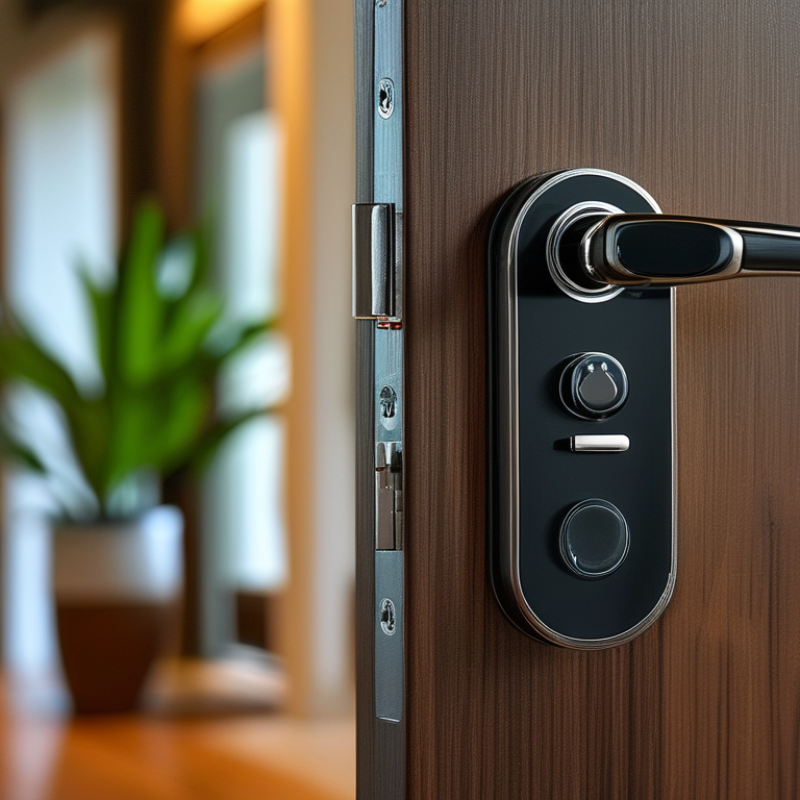
The Rise of Smart Locks: A Shift in Home Security Approaches
The rise of smart locks marks a significant shift in home security approaches. Recent data shows that the global smart lock market is projected to reach $3.6 billion by 2026, reflecting a keen interest in digital security solutions. Homeowners are increasingly drawn to the convenience smart locks offer. They allow entry via smartphones, keypads, or biometrics. This innovation enhances security while simplifying access for residents.
Reports indicate that smart locks reduce the risk of unauthorized entry. In fact, 63% of burglars attempt to enter homes through the front door. Traditional locks can be easily picked or bumped. Smart locks utilize encryption technology, making them harder to compromise. However, reliance on technology can pose risks. What if the system fails, or the battery dies? Homeowners must consider these vulnerabilities alongside the benefits.
Many users appreciate the convenience of remote access. You can unlock your door for guests without being home. Yet, a survey revealed that 45% of people worry about hacking. Trust in smart locks depends on robust software security. This highlights the need for ongoing updates and awareness. As the landscape changes, homeowners should remain informed about advancements and potential threats in smart home technology.
Understanding How Smart Locks Function: Technology Behind the Safety
Smart locks utilize advanced technology to enhance home security. They provide a new level of convenience and control. By integrating smartphone apps, these devices allow users to manage access remotely. Sending digital keys to guests is possible, ensuring quick access without physical keys. This feature is particularly handy for short-term renters or friends visiting.
Behind the scenes, smart locks employ various technologies. Many use encryption to secure data transmission. This minimizes the risk of hacking. Biometric scanning, such as fingerprints, adds another layer of security. However, not all models are equally effective. Some may have vulnerabilities that could be exploited. Regular updates and strong network protection are essential for optimal safety.
User experience varies widely with smart locks. Connectivity issues can arise if the Wi-Fi signal is weak. Battery life is also a concern; forgetting to replace batteries can lead to lockouts. Additionally, reliance on technology means users must be cautious. If a smartphone malfunctions, access can be compromised. Homeowners should weigh the pros and cons thoughtfully before installing these devices.
How Do Smart Locks Enhance Security in Modern Homes?
| Feature |
Description |
Advantages |
| Remote Access |
Allows users to lock and unlock doors from anywhere via a smartphone app. |
Convenience and control, even when away from home. |
| Keyless Entry |
Eliminates the need for traditional keys, using codes, fingerprints, or smartphone apps instead. |
Increased security by reducing the risk of lost or stolen keys. |
| Integration with Smart Home Systems |
Can be connected with other smart devices such as cameras, alarms, and lighting. |
Offers a comprehensive security solution and enhances automation. |
| Activity Logs |
Records who entered or exited the home and when. |
Increases awareness of home security and enables tracking of suspicious activities. |
| Temporary Access Codes |
Allows users to generate unique codes for guests or service providers. |
Maintains security without the need to hand over a physical key. |
Statistical Impact on Burglary Rates: Smart Locks vs. Traditional Locks
Smart locks are increasingly popular in modern homes. Their technology contributes to improved security compared to traditional locks. Statistics reveal significant differences in burglary rates. Studies show that homes with smart locks experience up to 30% fewer break-ins than those with standard locks.
These locks offer features like remote access and customizable codes. Homeowners can monitor entry points in real-time. This capability allows them to receive alerts for suspicious activity. In contrast, traditional locks often lack these advanced functions. However, reliance on technology can create vulnerabilities. For example, if a home's Wi-Fi network is compromised, so is the smart lock.
Interestingly, experts emphasize that while smart locks enhance security, they are not foolproof. They work best in combination with other security measures. Homeowners should also consider backup keys or security cameras. Security is multi-faceted and requires a comprehensive approach to be truly effective.
Impact of Smart Locks on Burglary Rates
This chart illustrates the average burglary rates per 1000 homes for traditional locks versus smart locks. As shown, homes equipped with smart locks experience significantly lower burglary rates compared to those with traditional locks, indicating that smart locks enhance security effectively.
User Convenience and Accessibility: Benefits of Smart Lock Features
Smart locks present a new era of home security, combining convenience with advanced features. These locks allow users to access their homes without traditional keys. Imagine arriving home with bags in hand. A quick tap on your smartphone unlocks the door, making entry seamless.
User convenience extends beyond easy access. Many smart locks offer temporary codes. Guests or service workers can enter without hassle. This feature eliminates the need for spare keys, reducing risks. However, if not managed properly, these codes can become a security concern. Regularly updating access codes is crucial to maintaining safety.
Moreover, smart locks often integrate with home automation systems. Users can set schedules for their locks. This way, a user can ensure doors lock at specific times. It's a smart choice for busy families. Still, reliance on technology requires thought. If the system fails, one might feel trapped. Balancing convenience with traditional methods is essential to ensure security remains paramount.
Future Trends: Innovations and Predictions for Smart Lock Technology
As smart lock technology evolves, it introduces exciting innovations. Voice recognition could offer hands-free access. Imagine unlocking your door just by speaking. This convenience is appealing, but it raises security questions. What if voice commands are intercepted?
Another trend involves biometric security. Fingerprint and retinal scanning may enhance access control. This ensures that only authorized users can enter. However, these systems are not flawless. Misreads can happen, causing frustration. It’s vital for homeowners to explore the balance between convenience and security.
Artificial intelligence is also shaping the future of smart locks. Predictive algorithms may learn user patterns, improving security. But this reliance on AI poses risks. What happens if the system learns incorrectly? Users must remain vigilant about their security choices. Understanding these developments is crucial as we move towards a smarter, yet potentially more vulnerable, future.
Conclusion
Smart locks are revolutionizing home security by leveraging advanced technology to create safer living environments. Understanding how smart locks work in modern homes reveals their sophisticated features, such as remote access, keyless entry, and integration with home automation systems. This shift in security approaches provides not only enhanced protection against unauthorized access but also user convenience, allowing homeowners to manage their security more efficiently.
Statistics show that the use of smart locks can lead to a significant reduction in burglary rates compared to traditional locking mechanisms. As we look to the future, innovations in smart lock technology are expected to further improve safety and user experience, introducing features like biometric access and enhanced connectivity with other smart home devices. Overall, smart locks signify a critical advancement in home security, combining both safety and convenience for modern homeowners.

 Orix Steel