In an increasingly interconnected world, home security remains a top priority for global buyers. With rising concerns over burglary and home invasion, understanding how smart locks improve home security is essential. Traditional locks offer limited protection, often compromised by outdated technology. In contrast, smart locks utilize cutting-edge features that enhance safety and convenience.
Imagine receiving real-time alerts about your front door's status. Smart locks provide this functionality, allowing homeowners to monitor access remotely. They often come equipped with keyless entry, eliminating the need for physical keys that can be lost or stolen. However, it's essential to recognize that no system is foolproof. Potential vulnerabilities exist, such as hacking or system malfunctions. Buyers must be informed of these risks.
Moreover, the integration of smart locks with home security systems can create a comprehensive safety net. The ease of managing access for guests or service providers adds an extra layer of security. However, some users may struggle to adapt to new technology and may find themselves questioning its reliability. Examining these aspects helps paint a clearer picture of how smart locks improve home security while navigating the digital landscape.
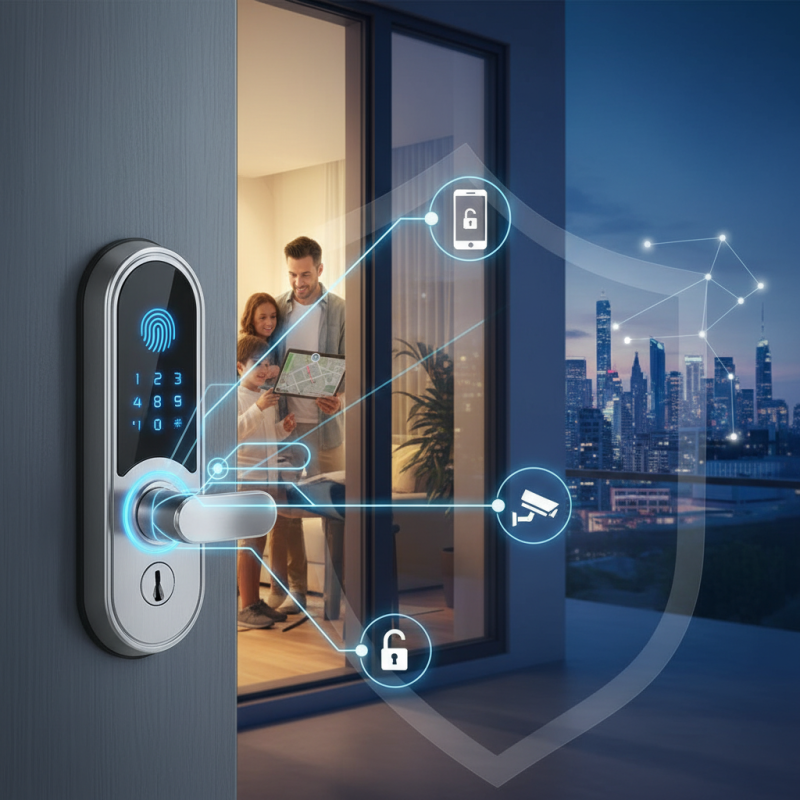
Smart locks are revolutionizing home security for buyers worldwide. These devices integrate cutting-edge technology with user-friendly features. They often include keyless entry, mobile app control, and remote access capabilities. According to a recent market report, the smart lock market is expected to grow at a CAGR of 24.5% between 2023 and 2030. This growth highlights the increasing demand for advanced security solutions.
The functionality of smart locks varies. Some models use Bluetooth for close-range access, while others utilize Wi-Fi for remote engagement. This flexibility allows homeowners to monitor their properties in real-time. However, a reliance on internet connectivity might raise concerns regarding vulnerabilities. Researchers estimate that nearly 30% of smart locks tested demonstrated some security flaws. These weaknesses necessitate periodic updates and vigilant user practices.
Additionally, smart locks often include audit trails, recording entry and exit times. This feature can be essential for families and landlords. Yet, the data collected must be handled with care to protect privacy. Some users may not fully understand the significance of robust passwords and encryption. In essence, while smart locks offer remarkable advancements in home security, understanding their limitations is equally important for ensuring safety.
| Feature | Description | Benefits | Global Popularity (%) |
|---|---|---|---|
| Remote Access | Unlock and lock doors via smartphone apps. | Convenience and control from anywhere. | 65% |
| Keyless Entry | Use access codes or biometric scans instead of physical keys. | Enhanced security and no worries about lost keys. | 70% |
| Activity Log | Monitor who accesses the lock and when through logs. | Increased awareness of home activity. | 55% |
| Integration with Smart Home Systems | Connects and functions with other smart devices. | Centralized control and enhanced automation. | 60% |
| Battery Backup | Operates on battery with alerts for low power. | Continued access in emergencies. | 75% |
: Smart locks offer convenience, remote access, and keyless entry. They integrate well with home automation systems.
Smart locks depend on batteries, which can fail. Regular software updates are also required to maintain security.
It's essential to regularly check battery life to ensure the lock functions correctly and remains secure.
Traditional locks offer physical security but may not deter all intruders. Ensure they are always properly secured.
Look for compatibility with smart home systems, security features, battery life, and ease of maintenance.
Strong encryption, like AES-256, protects against hacking attempts and enhances overall security.
Cheaper locks may save money upfront, but they can lead to higher costs if they fail or lack key features.
Roughly 30% of users abandon smart locks due to maintenance issues or complex battery replacements. That's worth considering.
Reflect on your needs. Decide if you value remote access, ease of use, or maximum security the most.
Yes, it's vital. Prioritizing both can lead to a smarter, more effective security decision for your home.
Smart locks represent a significant advancement in home security technology, offering features that greatly enhance the safety of homes worldwide. By integrating advanced functionalities such as remote access, real-time monitoring, and customizable security settings, smart locks provide homeowners with an intuitive way to control entry points. Understanding how smart locks improve home security involves recognizing the benefits they bring, such as the ability to grant temporary access to guests and receive alerts for unauthorized entries, making them a preferable choice over traditional locks.
When considering a smart lock, factors such as compatibility with existing home technology, ease of use, and security features should be evaluated for optimal effectiveness. With the continual evolution of smart lock technology, future trends suggest an increasing adoption rate, as homeowners seek innovative solutions to enhance security and convenience. Ultimately, the transition to smart locks signifies a proactive approach to home safety in the modern age.

 Orix Steel