10 Things to Consider Before Installing a Smart Lock?

Time:2026-05-22 Author:Henry
0%

When considering what to consider before installing a smart lock, homeowners face many crucial decisions. Smart locks offer convenience and enhanced security but come with their own set of challenges. Their technology can sometimes be overwhelming, and not all are created equal.

Choosing the right model requires research. Users must assess compatibility with existing doors and home security systems. Battery life is another key factor to keep in mind. A smart lock that runs out of battery can leave you locked out. Reliability and ease of use are vital. It’s frustrating if a lock malfunctions during a critical moment.

In addition, think about your lifestyle. Smart locks can offer remote access, but this could mean potential security risks. Understanding how these devices connect to your Wi-Fi network is essential. A weak network could compromise security. Reflecting on these elements will guide you in making an informed choice. Installing a smart lock should enhance your security, not complicate it.
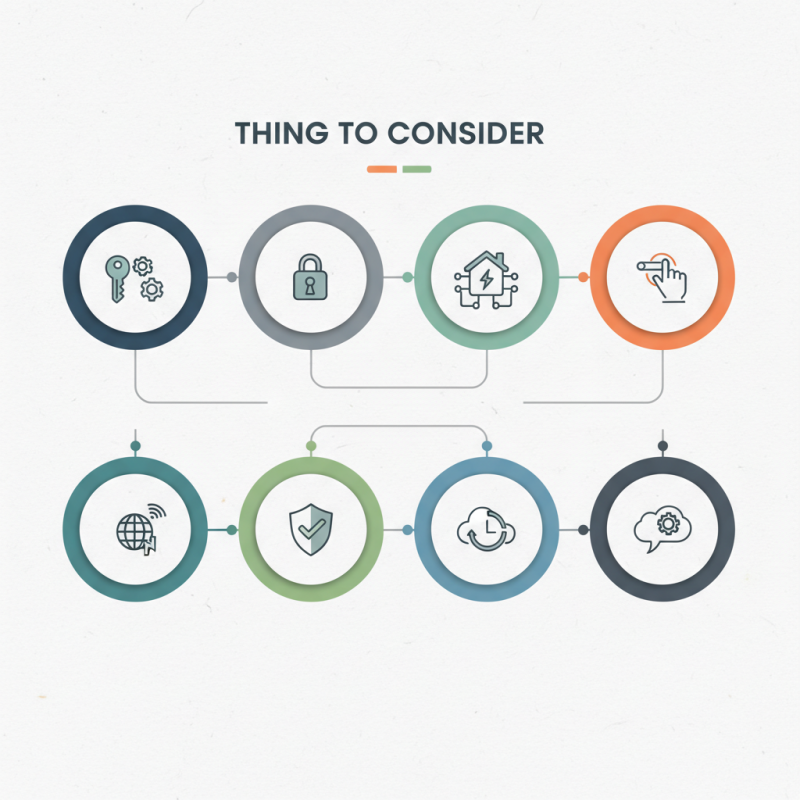
10 Things to Consider Before Installing a Smart Lock?

Consider the Security Features of the Smart Lock

When considering a smart lock, examine its security features carefully. Look for encryption standards that protect your data. A smart lock that uses AES encryption, for instance, is generally more secure. Check if it has two-factor authentication to add an extra layer of protection. This can help prevent unauthorized access if your phone is lost or hacked.

Also, contemplate the lock’s vulnerability to hacking. Some models may have outdated firmware, making them an easy target for cyberattacks. Be skeptical of claims about security and do your research. Read reviews from trusted sources to understand common issues users face. Even well-reviewed locks can have flaws.

Finally, consider how the smart lock functions during power outages. Does it have a mechanical key backup? What about a keypad for entry? If the technology fails, will you be locked out? These reflections can guide your decision and ensure that you choose a reliable option for your home. Remember, your choice should enhance security, not complicate it.

10 Things to Consider Before Installing a Smart Lock: Consider the Security Features of the Smart Lock

Feature Description Importance
Encryption Ensure the lock uses strong encryption methods to safeguard communication. High
Two-Factor Authentication Check if the lock supports two-factor authentication for added security. High
Tamper Alerts Look for features that alert users when tampering is detected. Medium
Access Logs Review if the lock provides logs of access attempts for security review. Medium
Backup Key Verify that a physical backup key is available in case of electronic failure. High
Battery Life Consider the battery life and how alerts are provided for low battery. Medium
Remote Access Determine if the lock allows for remote access/management via a mobile app. High
Compatibility Check compatibility with your existing security systems or smart home devices. Medium
Emergency Access Look for features that allow emergency access without compromising security. High
Warranty and Support Ensure there is good customer support and warranty for the smart lock. Medium

Evaluate Compatibility with Existing Door Hardware

When considering a smart lock, compatibility with your existing door hardware is crucial. Different locks fit various door types and frames. Check your door thickness, backset, and pre-drilled holes. Not every smart lock is universal. This can lead to installation headaches. A mismatch may compromise security.

Before purchasing, assess your door’s structure. Is it hollow, solid, or reinforced? Some smart locks require specific door types for effective operation. Take measurements, and consult installation guides. A precise fit enhances stability and security.

Consider your home’s aesthetic as well. A bulky lock on a sleek door may look out of place. Balance functionality with style. Incompatibility can result in an unfinished look. Always remember, a smart lock serves as a security layer. If it doesn’t fit properly, it might not secure your home effectively.

Assess the Lock’s Access Control Options and User Management

When considering a smart lock, it's vital to focus on its access control options and user management. Many smart locks offer customizable access levels. A report by the Security Industry Association found that 80% of smart lock users value the ability to grant temporary access. This feature is particularly useful for visitors or service personnel, allowing you to maintain security while still being accommodating.

User management is another critical aspect. Some systems enable you to tailor permissions for different users, which adds another layer of security. According to research from Parks Associates, 54% of homeowners believe personalized user management is essential for their peace of mind. This means the more control you have over who enters your home, the better you can manage potential risks.

However, not all smart locks are created equal. Some may lack robust user management features. Furthermore, security vulnerabilities may arise from software updates. When selecting a smart lock, it's essential to assess not just the features advertised but also user reviews. They can reveal the lock’s reliability and performance over time, which is critical for making an informed choice.

Research the Reliability and Battery Life of the Device

When considering a smart lock, reliability and battery life are crucial. A smart lock's reliance on technology means potential failure points. A sudden battery drain could lock you out or leave your home vulnerable. Many devices use standard batteries, which might not last long in extreme weather.

Researching user experiences can reveal common issues. Some users report unexpected battery failures after just a few months. It's essential to read reviews and check the manufacturer's specifications. Look for locks that have a low battery alert feature. This will give you a warning before a complete discharge.

Battery life can also vary significantly based on usage. High-frequency access can drain batteries faster. Consider how often your smart lock will be used. A low-traffic entry might require less frequent charging. Regular maintenance checks can help ensure your lock remains functional and secure. Evaluating all these aspects will lead you to a more dependable choice.

Battery Life and Reliability of Smart Locks

This chart illustrates the average battery life in months and the failure rate percentage for different smart lock models. A longer battery life indicates a more reliable device, making it crucial to consider these factors before installation.

Examine the Installation Process and Required Tools

Installing a smart lock can enhance your home security, but the installation process requires careful consideration. Begin by evaluating your existing door hardware. You need to ensure that the smart lock will fit properly. Improper fitting can lead to operational issues or damage to your door. Take measurements and check compatibility with your door type.


Gather the necessary tools before starting. Commonly needed tools include a screwdriver, a drill, a level, and a tape measure. Depending on your door and selected lock type, additional tools might be necessary. It's essential to read the installation manual carefully. Many users overlook this step and encounter challenges. A clear understanding of the manual can save you time and effort.


During installation, patience is key. Take your time aligning the lock components accurately. Rushing may lead to mistakes that require undoing work later. If you encounter difficulties, it's okay to seek help or consult online forums for guidance. Reflecting on past installation experiences can inform your approach, ensuring a smoother process this time around. Consider the layout of your home; make sure the new lock replaces or complements your current system effectively.

FAQS

: How important is compatibility with existing door hardware when choosing a smart lock?

: Compatibility is crucial. Different locks fit various door types. A mismatch can lead to security issues.

What should I check on my door before buying a smart lock?

Measure door thickness, backset, and check for pre-drilled holes. This ensures a proper fit.

Can a smart lock work with all door types?

No, some locks only work with specific door types. Reinforced doors may be necessary for effective operation.

How does the design of a smart lock affect its placement on my door?

A bulky lock may look out of place on a sleek door. A good fit improves both function and aesthetics.

What features should I consider in a smart lock’s access control options?

Look for customizable access levels. Temporary access for visitors can enhance security while being accommodating.

Why is user management important in smart locks?

Tailored permissions allow you to control who enters your home. This adds significant security and peace of mind.

Are all smart locks reliable in terms of user management?

No, some locks lack robust user management features. Reviews may reveal potential vulnerabilities in these systems.

How can software updates affect smart lock security?

Software updates can introduce vulnerabilities. It's vital to stay informed about any security issues that arise.

What should I consider about user reviews when choosing a smart lock?

Reviews help evaluate a lock's long-term reliability. They provide insights into performance and potential problems.

Can a poorly fitting smart lock compromise my home security?

Yes, an improper fit may not secure your home effectively. Always ensure a precise fit to enhance security.

Conclusion

When considering what to consider before installing a smart lock, it's essential to start by evaluating the security features offered by the device. Look for advanced encryption methods and multi-factor authentication to ensure your home is well-protected. Additionally, compatibility with your existing door hardware is crucial; ensure that the smart lock can be seamlessly integrated without requiring extensive alterations.

Next, assess the lock’s access control options and user management capabilities. This includes the ability to grant temporary access to guests or service personnel. Reliability and battery life are also key factors; a dependable smart lock should function correctly even with minimal battery power. Finally, examine the installation process and the tools required. A straightforward installation can save time and reduce the need for professional assistance, making it easier to enjoy the benefits of a smart lock.

Henry

Henry

Henry is a dedicated marketing professional with a profound expertise in the company's offerings. With years of experience in the industry, he possesses an impressive understanding of the market dynamics and consumer behaviors that drive success. Henry is committed to sharing his insights through......