Home entrances are changing from simple passageways into practical statements of comfort, safety, and personal style. If you have searched for “what are the latest trends in home entrance design,” you may have noticed more than attractive doors and polished hardware. Current ideas include warm layered lighting, wider doorways, sheltered thresholds, natural materials, smart access systems, and planting that responds to local weather. These features can make arrival feel calmer, especially after a long day.
Real homes reveal more than showroom photographs. A fluted wood door may look welcoming, yet it can require careful sealing in wet climates. Large glass panels bring daylight, but they may reduce privacy without textured film or thoughtful landscaping. Designers increasingly consider step-free access, slip-resistant flooring, concealed storage, and clear sightlines toward the street. These details support different ages, mobility needs, and daily routines. Security also matters, although technology should not replace strong locks, durable frames, and sensible lighting.
The following guide examines the top 10 latest trends in home entrance design through a practical lens. It connects visual appeal with maintenance, energy performance, accessibility, and long-term value. Some trends suit compact urban homes. Others need generous space and a realistic budget. Not every idea works everywhere. That is worth remembering. A successful entrance should welcome guests, protect residents, and remain useful through changing seasons. The most fashionable choice may not be the most reliable one. Good design often comes from balancing ambition with honest observation.
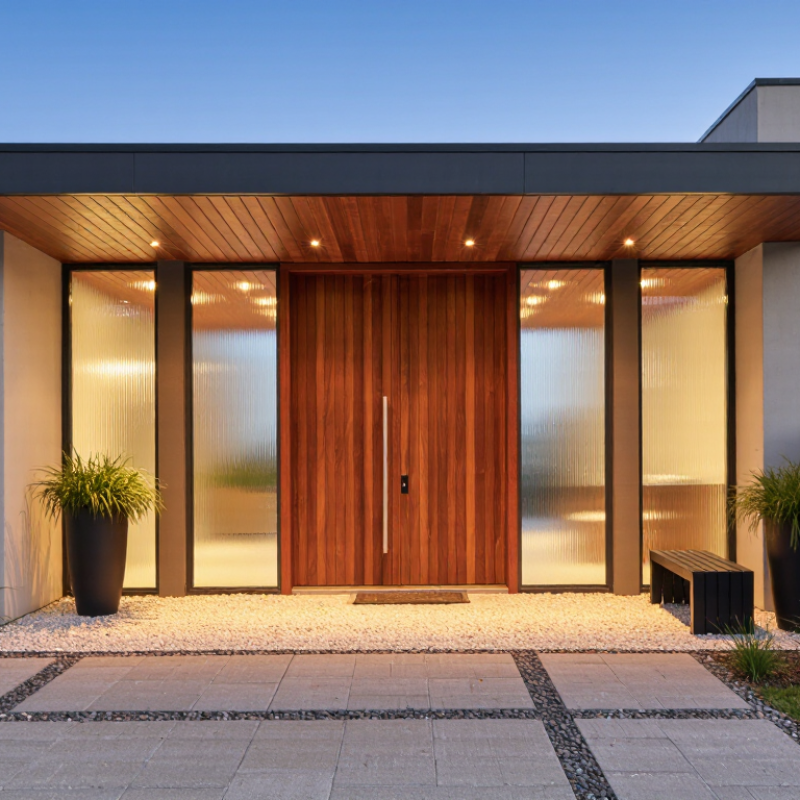
Modern home entrance design is no longer just about an attractive front door. It shapes the first impression, controls movement, and supports daily security. In my experience, a successful entrance feels welcoming while handling muddy shoes, deliveries, visitors, and changing weather.
The ten latest trends include wider pivot doors, natural timber textures, concealed lighting, smart access, sheltered porches, vertical planting, textured walls, built-in benches, clear house numbers, and energy-efficient glazing. Each feature should serve a practical purpose. A covered threshold protects guests from rain. Warm lighting improves visibility without creating glare. A bench gives children a place to remove wet shoes. Clear numbers help emergency services locate the property quickly.
Good design also considers privacy and accessibility. Frosted side panels can limit views while preserving daylight. A level path supports wheelchairs, strollers, and tired feet. Slip-resistant paving matters more than a fashionable finish. It is often overlooked. Entrance doors should open smoothly, provide adequate clearance, and resist drafts. Local building requirements must guide dimensions and electrical work, so professional review remains sensible.
I once admired a dramatic entrance with deep shadows and a narrow step. It looked impressive in photographs but felt awkward at night. That mistake changed my priorities. Beauty matters, but comfort, safety, maintenance, and honest material performance matter more. A modern entrance should welcome people clearly, not make them guess where to stand.
Smart technology is reshaping home entrances from simple doorways into responsive security zones. Smart locks can use codes, fingerprints, or mobile credentials instead of easily misplaced keys. Temporary access codes help residents welcome cleaners, caregivers, or guests without sharing permanent entry details. These codes should expire automatically.
Motion sensors can activate low-glare lighting before someone reaches the door. A video intercom lets residents speak with visitors while staying inside. Some systems also detect unusual movement and send alerts to a trusted phone. Clear activity logs can help families review who entered and when. However, privacy settings require careful attention. Cameras should face the entrance, not neighboring windows or public spaces.
Practical design still matters. A strong door, reliable hinges, and visible house numbers support every digital feature. Battery warnings should appear early, while an emergency power option can prevent lockouts. Professional installation can improve sensor placement and weather resistance. Technology still gets things wrong. False alerts may occur during heavy rain, and fingerprint readers may struggle with wet hands. I would keep a secure manual backup and test the entire entrance every few months. A safer entrance is not merely connected; it must remain usable during power cuts, network failures, and rushed mornings.
Home entrances are becoming calmer, greener, and more connected to their surroundings. In recent residential projects, designers have used reclaimed timber, recycled glass, natural stone, cork, and low-emission finishes. These materials reduce waste while adding visible texture. Local stone can also lower transport impacts and suit the regional landscape. However, sustainable does not always mean maintenance-free.
Durable choices matter near doors. Moisture, grit, sunlight, and temperature changes can quickly damage attractive surfaces. I have found that sealed timber needs careful detailing, especially around thresholds and drainage points. Nature-inspired entrances often include native plants, rain gardens, clay plaster, woven fibers, and soft, earthy colors. Curved benches and irregular stone paths create a less rigid feeling. More daylight helps too. A narrow side window or frosted panel can brighten the entry without sacrificing privacy.
The latest designs also combine beauty with practical performance. Recycled metal lighting, water-saving planters, permeable paving, and shaded porches support responsible living. Plant selection should consider local climate, allergies, and long-term water needs. A living wall may look impressive, but it can become wasteful when irrigation is poorly planned. Entrance floors should resist slipping, including during rain. Clear circulation is essential for children, older adults, and wheelchair users. I still see projects where visual drama receives more attention than comfort. A quieter entrance, with honest materials and thoughtful details, often works better every day.
Home entrance design is moving toward quiet structure with stronger visual confidence. Minimalist forms remain central, using flat planes, clean lines, and concealed hardware. A slim canopy can frame the doorway without making the facade feel heavy. Warm timber, pale stone, and textured plaster soften these precise shapes.
Bold colors are becoming more deliberate. Deep olive, burnt orange, cobalt blue, and muted burgundy can turn an entrance into a clear focal point. The color should relate to nearby walls, paving, or planting. Otherwise, it may feel pasted on. Small details matter too: a colored reveal, a painted soffit, or a bright inner door can create depth without overwhelming the street view.
Statement door designs are also gaining attention. Oversized pivot doors, fluted timber panels, ribbed glass, and sculptural handles offer a stronger first impression. Yet appearance cannot replace daily performance. Designers should check weather exposure, security, privacy, and wheelchair access before approving a dramatic feature. A dark metal door may look refined in a showroom but show fingerprints and dust quickly. That is an easy mistake to underestimate. Layered lighting helps define the entrance after sunset, especially when concealed strips meet soft wall fixtures. Current projects also explore curved thresholds, patterned tile, recycled materials, and doors with integrated smart access. Some ideas photograph beautifully but age poorly. Honest material testing remains more valuable than chasing every new trend.
What Are the Top 10 Latest Trends in Home Entrance Design?
Improving Entrance Comfort with Lighting, Storage, and Universal Access
A comfortable entrance now works harder than a decorative doorway. Layered lighting reduces harsh shadows around steps, locks, and parcel areas. The U.S. Department of Energy reports that LED bulbs use at least 75% less energy than incandescent lighting. They also last up to 25 times longer. A wall light at eye level, a soft ceiling fixture, and motion-sensitive path lighting create clearer movement. Warm light feels welcoming. Too much brightness can still cause glare.
Storage is becoming more practical and less bulky. Narrow benches can hide shoes, while hooks at different heights support children and seated users. A shallow tray near the door catches keys and wet gloves. The 2024 AARP Home and Community Preferences Survey found that 75% of adults aged 50 and older want to remain in their current homes. Flexible entrances can support that goal, although many designs still ignore changing mobility needs.
Tips: Keep a clear route at least 36 inches wide where possible. Use lever handles, non-slip flooring, and contrasting edges on steps. The World Health Organization estimates that 1.3 billion people, or 16% of the global population, experience significant disability. A low threshold helps. I still see beautiful entrances with slippery tiles and poor lighting. Appearance should not outrank safe daily use.
This chart presents an evidence-informed design priority index from 0 to 100, based on how strongly each trend supports entrance comfort, storage efficiency, safety, and universal access. The index is a planning tool rather than a market-share statistic.
Key accessibility benchmarks include approximately 815 mm of clear door width, 915 mm of accessible route width, a 1,525 mm turning diameter, a maximum threshold change of about 13 mm, and a maximum interior door-opening force of about 22 N. References: ADA 2010 Standards for Accessible Design and ISO 21542:2021.
It should welcome visitors, guide movement, and support everyday security. It also handles muddy shoes, deliveries, rain, and changing temperatures. Looks matter. Comfort matters more.
Covered porches protect visitors from rain. Built-in benches provide a place for removing wet shoes. Clear house numbers help people find the property quickly. Warm lighting improves visibility without harsh glare.
Use a level path for wheelchairs, strollers, and tired feet. Choose slip-resistant paving instead of prioritizing fashionable surfaces. The door should open smoothly with enough clearance. Small steps can become major obstacles.
Smart locks can use codes, fingerprints, or mobile credentials. Temporary codes should expire automatically after guests or workers leave. Motion sensors can activate gentle lighting near the doorway. A video intercom allows conversations without opening the door.
Fingerprint readers may fail with wet hands. Heavy rain can trigger false movement alerts. Power cuts and network failures can also interrupt access. Keep a secure manual backup. Test the whole entrance regularly.
Cameras should face the doorway, not nearby windows or public spaces. Review privacy settings before activating recording features. Activity logs can show who entered and when. Too much surveillance may make a home feel uncomfortable.
Deep olive, burnt orange, or muted burgundy can create a clear focal point. The color should relate to nearby walls, paving, or planting. Oversized pivot doors and textured panels add visual strength. A dramatic door still needs privacy, weather resistance, and easy access.
Warm timber, pale stone, and textured plaster soften clean architectural lines. Concealed lighting can highlight a canopy or doorway edge. Soft wall fixtures reduce deep shadows after sunset. Dark surfaces may show fingerprints and dust quickly. That detail is easy to miss.
Test materials in realistic weather before choosing them. Check maintenance, safety, privacy, and daily comfort. Some designs photograph beautifully but age poorly. A trend is not automatically useful. I would choose dependable performance over a striking image.
This guide explores what are the latest trends in home entrance design and how they are reshaping the first impression of a home. Modern entrances now serve more than a decorative purpose: they provide security, comfort, organization, and a smooth transition between outdoor and indoor spaces. Smart locks, motion sensors, video doorbells, and automated lighting can make entrances safer and easier to manage while supporting everyday convenience.
Sustainability is also influencing entrance design through responsibly sourced materials, energy-efficient features, natural textures, and plant-inspired details. At the same time, minimalist shapes, bold colors, and statement doors allow homeowners to express their personal style. Thoughtful lighting, practical storage, weather protection, and universal access further improve comfort and usability. Together, these trends create entrances that are welcoming, functional, visually distinctive, and adaptable to the needs of different households.

Orix Steel