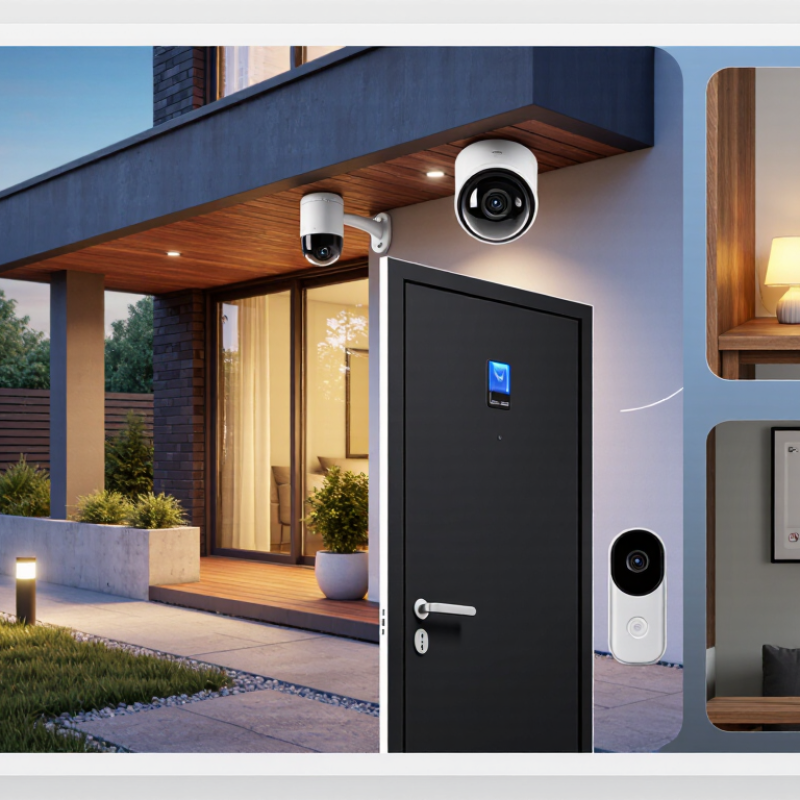
A front door sensor clicks into place. A camera watches the porch, while an app sends an alert when someone approaches. These small, visible details help explain why security technology is becoming standard in homes. What once seemed like an optional alarm package now often fits alongside doorbells, lighting, and home automation. Convenience matters, but so does the simple wish to know what is happening at home.
Security technologist Bruce Schneier has written, “Security is a process, not a product.” His point is useful here: devices can help, but they cannot guarantee safety. A household still needs sensible settings, reliable internet, and care with account access. Even a well-placed camera can miss a side entrance. Small details matter. As connected devices become easier to install, more homeowners may choose them for everyday awareness, not only emergencies. That shift is practical, though not perfect. More alerts can also mean more noise, and a camera may create expectations it cannot meet. The real question is not simply which system has the most features. It is whether the equipment suits the home, works consistently, and earns the trust of the people using it.
Fortune Business Insights projects a 20.1% compound annual growth rate for the smart-home market. That is a forecast, not a promise. Still, it helps explain why connected locks, door sensors, and cameras are shifting from luxury add-ons toward routine household equipment. The appeal is concrete: a phone alert can arrive when a parcel is left outside, or a sensor can flag an opened door while residents are away. Convenience matters. So does peace of mind.
China’s connected-user base provides important context. The China Internet Network Information Center’s 53rd Statistical Report on China’s Internet Development counted 1.092 billion internet users at the end of 2023. That figure does not prove equivalent demand for security systems; connectivity and willingness to pay are different things. But it shows the scale of households that could use networked services. For buyers, practical details matter more than a growing market headline: clear alerts, dependable sensors, regular software updates, and sensible privacy settings. One weak point remains easy to overlook: a device that is difficult to configure may be left unused. Adoption is growing, but it is not automatic.
A home security system works best as a team, not a pile of gadgets. Door and window sensors detect openings; motion sensors watch a hallway after dark. Cameras add visual context, while smart locks can secure an entry point remotely. A hub connects these parts, applies rules, and sends alerts. If a sensor trips, the hub might turn on a light and notify a phone. Small details matter: a camera facing a bright window may show glare, not a visitor.
Adoption is growing, but convenience alone does not make a system reliable. MarketsandMarkets’ 2024 Smart Home Market report estimated the global market at USD 101.7 billion in 2024, with growth projected through 2030. That estimate covers smart-home technologies broadly, not security systems alone. A useful setup should still work during a weak Wi-Fi signal, and users should know which alerts need action. Honestly, many installations are overcomplicated.
Tips: Put entry sensors on doors you actually use, test alerts from another room, and update device software. Keep the hub central, but not hidden inside a metal cabinet. Test the routine. A camera cannot replace a lock, and a lock cannot tell you why an alarm sounded.
Connected ecosystems make home security feel less like a separate project and more like an everyday household routine. A door sensor can trigger a hallway light, while a phone alert lets a resident check a delivery from another room. Setup matters too: when cameras, locks, and alarms share one app, people are more likely to use them regularly. Fewer steps help.
The opportunity is growing alongside China’s connected population. CNNIC’s 55th Statistical Report on China’s Internet Development counted 1.108 billion internet users at the end of 2024, with internet penetration at 78.6%. IDC’s 2024 China smart-home device market tracking estimated shipments at about 281 million units, up 7.8% year on year. These figures describe connectivity and devices, not security adoption alone. That distinction matters.
For households, the practical test is whether alerts are clear, routines are easy to adjust, and devices still work when the internet drops. A camera notification at midnight is useful only if it explains what happened. More connected devices can also mean more settings to maintain. Convenient, but not effortless. Security becomes routine through small, dependable interactions, though systems still need thoughtful setup and regular review.
Connected cameras, door sensors, and smart locks are becoming familiar fixtures in many homes. As these devices multiply, basic cybersecurity matters as much as clear video or reliable alerts. NIST describes six core capabilities for IoT device security. They offer a useful checklist, not a guarantee and not a rule that every household system must follow.
The capabilities cover device identification and configuration, so owners can tell what is connected and change default settings. Data protection helps safeguard information stored or sent by a device. Logical access controls limit who or what can reach its interfaces. Software updates help address discovered weaknesses, while cybersecurity state awareness gives users or administrators signals about a device’s security condition. In practice, that might mean checking a camera’s update status or reviewing which household accounts can control a lock.
Details matter. A system may offer updates, yet leave users unsure whether they installed correctly. A long setup screen can also lead people to keep factory settings. Not ideal. NIST’s framework helps buyers and manufacturers ask concrete questions, but labels alone cannot show how well a product is maintained. Clear update notices, understandable access controls, and useful device status indicators make security easier to assess in everyday use.
A home security system is only as dependable as its connections. A door sensor may report an opening, while a camera misses the event if devices cannot communicate reliably. China’s Ministry of Industry and Information Technology counted 2.332 billion mobile IoT terminal users in its 2023 Communication Industry Statistical Bulletin. This figure covers far more than homes, but it shows the scale of connected devices—and why consistent communication rules matter. Shared protocols, stable network behavior, and clear failure alerts can make systems easier to install and maintain.
Privacy needs equally practical rules. China’s GB/T 35273-2020, the Personal Information Security Specification, sets guidance for handling personal information; it is a recommended national standard, not a guarantee that every product complies. Homeowners should be able to see which devices collect audio or video, adjust permissions, and delete stored data. Small details matter. A camera indicator that is hard to spot can undermine trust.
Service requirements are part of standardization, too. Providers should state how long security updates are offered, how outages are reported, and where customers can request repairs. These commitments are easier to judge than vague promises of “smart” protection. Yet standards cannot fix every weak installation or confusing app. That gap deserves more attention.
It signals expected growth, not a guaranteed outcome. A forecast can change.
No. The reported 1.092 billion users show widespread connectivity, not willingness to buy security systems.
A phone alert can show when a parcel arrives. A door sensor can flag an opening while residents are away.
Guidance covers device identification, configuration, data protection, access controls, software updates, and security-status awareness. Useful areas to check.
Updates can address discovered weaknesses. Check whether the device shows its update status clearly.
Clear settings can help owners control access and connected devices. Factory settings may not fit every household.
Look for understandable access controls, update notices, and useful status indicators. Labels alone prove little.
A difficult setup can leave a device unused or unchanged from its factory settings. Small friction matters.
China’s home security systems are evolving from standalone alarms into connected networks of sensors, cameras, smart locks, and central hubs. Together, these components can detect unusual activity, share alerts, and help residents manage security alongside other home functions. A projected 20.1% compound annual growth rate for the smart-home market reflects the wider shift toward connected living. As these ecosystems become easier to use and more integrated into daily routines, security is increasingly seen as a standard part of a modern home rather than an optional extra.
The answer to why security technology is becoming standard in homes also depends on trust. NIST outlines six core cybersecurity capabilities for IoT devices, highlighting the need to protect connected products throughout their use. China’s standardization path likewise centers on reliable connectivity, privacy safeguards, and clear service requirements. Together, practical integration and stronger expectations for security and support can make connected home protection more accessible, dependable, and routine.

Orix Steel