Engineered to isolate severe outdoor heat and withstand Ghibli sandstorms while optimizing indoor cooling efficiency.
Libya's unique geography—stretching from the intense Mediterranean coastline of Tripoli and Benghazi to the arid depths of the Sahara—imposes extreme mechanical and thermal loads on building envelopes. During summer months, ambient temperatures regularly exceed 45°C. Additionally, the periodic Ghibli wind carries high-speed, abrasive desert sand, necessitating door systems that offer absolute air-tightness alongside superior thermal barriers.
Traditional architectural structures in North Africa rely heavily on intensive mechanical cooling, resulting in elevated electricity costs and frequent grid strain. Implementing advanced thermal break aluminum and multi-chambered PVC profiles mitigates heat conduction. Consequently, these high-performance door systems reduce overall cooling loads by up to 35%, ensuring consistent indoor comfort while lowering energy costs.
Achieves thermal transmittance rates (U-values) below 1.6 W/m²K, effectively shielding interior spaces from desert radiant heat transfer.
Equipped with continuous EPDM triple-gasket systems to maintain Class 4 air permeability under extreme dust storm conditions.
Combines multi-point structural locking systems with explosion-proof armored core options for commercial and high-end residential applications.
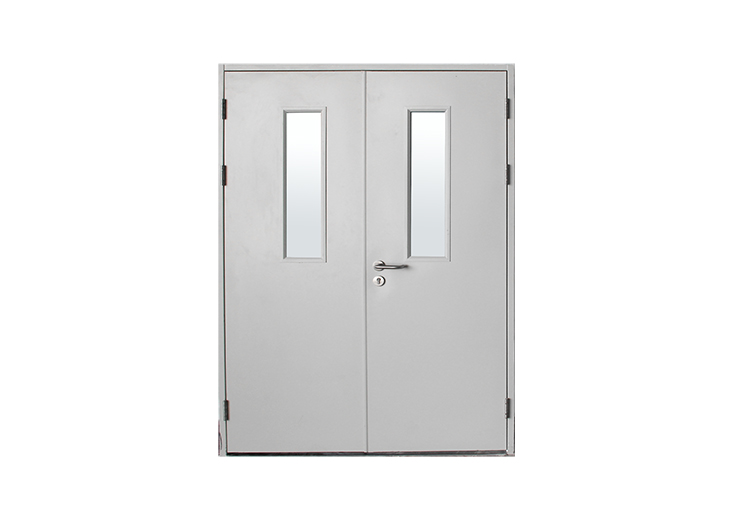
Established in 2004, Orix Steel Co., Ltd is strategically located in Wuyi, Yongkang, Zhejiang Province, China—recognized globally as the capital of hardware and secure door fabrication. Over two decades, we have evolved into a high-tech manufacturing enterprise focused on middle to high-end armored doors, cast aluminum explosion-proof systems, and steel-clad wood security configurations.
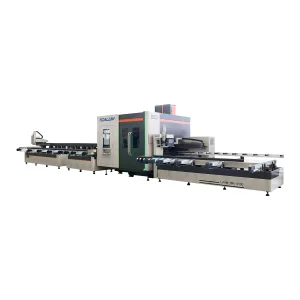
Equipped with state-of-the-art automated manufacturing lines, our facility sustains an annual production capacity of 200,000 units. This scale enables us to rapidly fulfill volume requirements for large-scale development projects across North Africa, providing custom configurations engineered to meet international energy efficiency certifications.
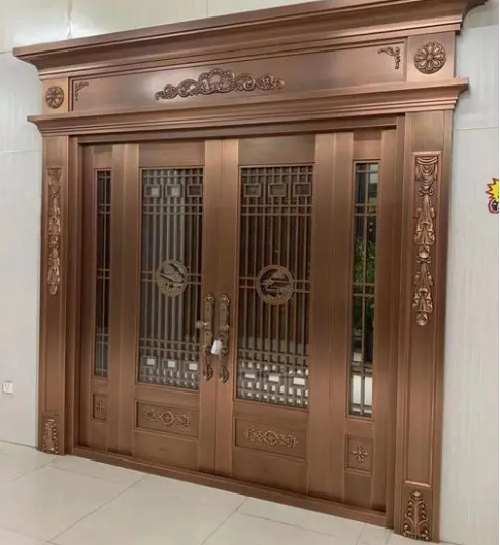
Our engineering focus balances high-security mechanical strength with thermal optimization. By integrating high-density polyurethane cores, polyamide thermal barriers, and heavy-duty steel-clad wood structures, our door systems deliver reliable thermal isolation without compromising structural protection.
Every product batch destined for the Libyan market undergoes rigorous wind-resistance, mechanical fatigue, and thermal chamber testing, ensuring long-term performance under high ultraviolet exposure and coastal salinity conditions.
Customized structural configurations engineered for residential, commercial, and coastal environments.
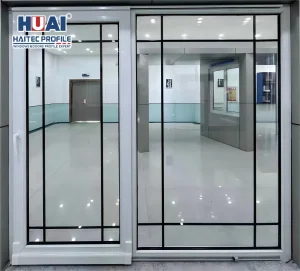
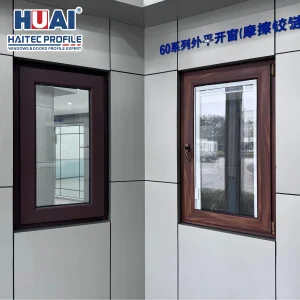
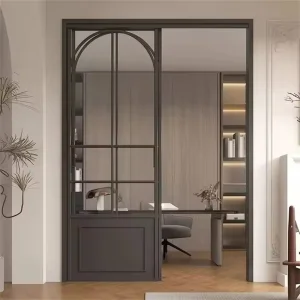
Designed for upscale residential developments in Tripoli and Misrata. These configurations pair double-glazed thermal break aluminum structures with modern styling, preventing salt-mist corrosion and sand ingress while minimizing solar heat gain.
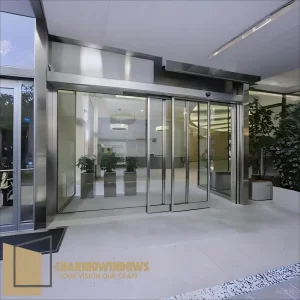
Engineered for government offices, corporate headquarters, and high-occupancy commercial complexes. Our bi-fold and automatic sliding configurations facilitate smooth traffic flow while maintaining strict climate zoning to reduce HVAC loads.
Engineered for warehouse and manufacturing facilities in regional industrial zones. These high-capacity sectional and vertical-rising systems provide robust structural security, wind resistance, and thermal insulation across large openings.
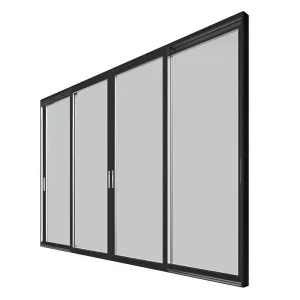
Engineered for resort and hotel installations along the Mediterranean coast. These panoramic folding glass and sliding systems balance large transparent spans with low-emissivity (Low-E) coatings, maximizing natural light while blocking radiant heat.
Explore our diverse selection of energy-efficient, weather-sealed window and door systems designed for architectural versatility.
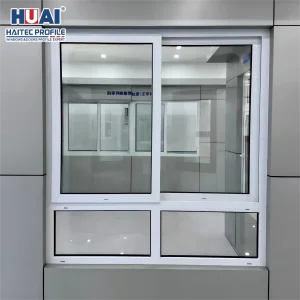
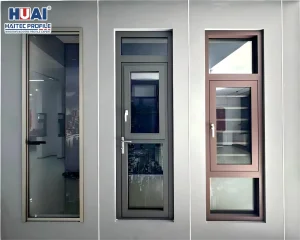
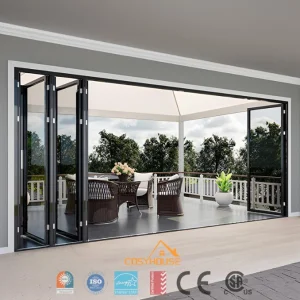
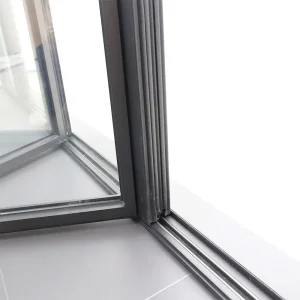
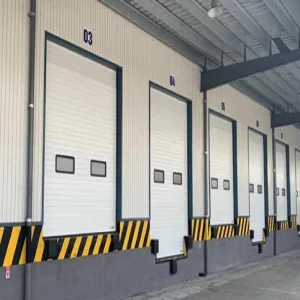
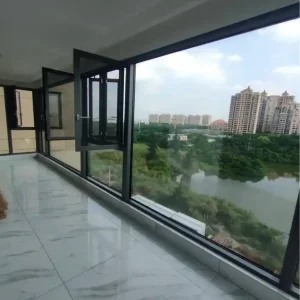
Integrated solutions matching architectural beauty with environmental resilience.
Expert technical insights regarding energy performance, structural safety, and importing to Libya.
In hot, arid regions like Libya, energy efficiency is primarily defined by the door's ability to resist heat conduction and radiation. This is achieved by utilizing polyamide thermal break profiles in aluminum frames, multi-chambered PVC profiles, and high-density polyurethane insulated cores in steel-clad doors. Additionally, incorporating double or triple glazing with low-emissivity (Low-E) coatings and argon gas fill significantly lowers the Solar Heat Gain Coefficient (SHGC) and overall thermal transmittance (U-value).
Desert sandstorms carry fine, abrasive silica particles, while coastal cities like Tripoli and Benghazi present high atmospheric salinity. To prevent mechanical damage and salt corrosion, our door systems utilize triple EPDM gaskets for tight, continuous sealing. Exterior aluminum surfaces undergo high-durability anodizing or marine-grade powder coating, while internal locksets and hardware are constructed from corrosion-resistant zinc and stainless alloys.
For critical applications, our armored and cast-aluminum explosion-proof doors are built to comply with international security metrics, including EN 1627 RC3/RC4 resistance classifications. They feature multi-point locking rods, heavy-duty anti-drilling plates, and reinforced structural steel subframes, providing high intrusion defense alongside thermal isolation.
Leveraging our 200,000-unit annual capacity in Zhejiang, we standardly complete product fabrication within 25–35 days. Shipping to key Libyan ports, including the Port of Tripoli, Port of Benghazi, and Port of Misrata, typically requires 30–40 days in transit. We provide comprehensive export documentation, including Certificate of Conformity (CoC), packing lists, and test reports to support straightforward customs clearance.
Yes, our engineering team works directly from architectural CAD designs. We support custom sizing, specialized structural framing, and a broad range of architectural finishes, including standard RAL colors and wood-grain laminations. This allows projects to balance modern energy efficiency and security requirements with regional aesthetic styles.
 Orix Steel