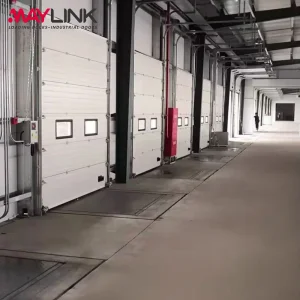
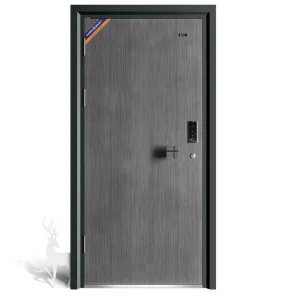
In the modern era of industrial infrastructure, Vacuum Insulated Door Systems (VIDS) have emerged as a cornerstone technology for energy efficiency and climate control. Unlike traditional foam-filled doors, VIDS utilize advanced Vacuum Insulation Panels (VIPs) to achieve thermal resistance (R-values) that are five to ten times higher than conventional materials. This leap in technology is not merely a luxury; it is a necessity in a world grappling with rising energy costs and stringent environmental regulations.
Currently, the global market for vacuum insulated systems is seeing unprecedented growth, particularly in North America, Northern Europe, and the Asia-Pacific region. Industries such as pharmaceutical storage, cryogenic research centers, and ultra-low temperature logistics facilities are the primary drivers. As global trade in temperature-sensitive goods—such as biologics and fresh organic produce—continues to expand, the demand for reliable, high-performance insulated entryways has never been higher.
High-end offices and data centers requiring stable thermal environments.
Optimizing energy consumption in massive frozen storage warehouses.
Meeting Net-Zero carbon targets through superior building envelopes.
The future of Vacuum Insulated Door Systems is being shaped by two major forces: material science and IoT integration. Manufacturers are now experimenting with nanostructured core materials that prevent vacuum degradation over decades. Furthermore, the "Smart Door" trend is integrating sensors that monitor vacuum pressure and thermal leakage in real-time, alerting facility managers before energy waste occurs.
As a leading exporter, we recognize that the shift toward passive house standards in Europe and similar green building certifications in the US is pushing wholesale demand for doors that offer near-zero thermal bridging. Our factory is at the forefront of this trend, utilizing automated laser welding to ensure the hermetic sealing required for long-term vacuum stability.
Procurement professionals from Fortune 500 companies and international contractors are increasingly looking to China for their Vacuum Insulated Door needs. The reasons extend beyond cost-effectiveness. The Chinese manufacturing ecosystem offers a unique blend of vertical integration, rapid R&D cycles, and massive scalability.
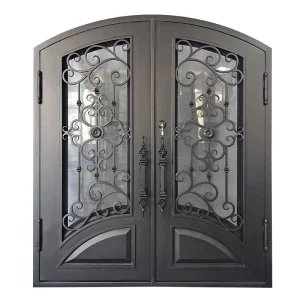
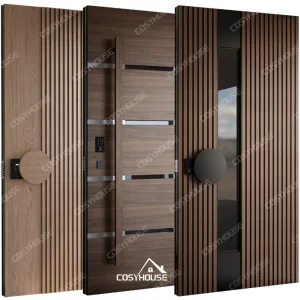
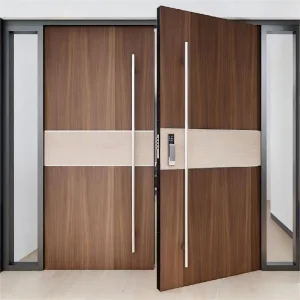
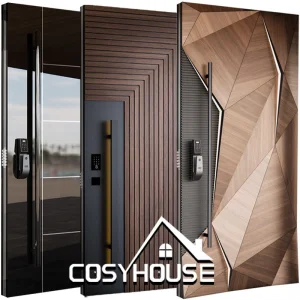
From the extreme cold of Canadian winters to the humidity of Southeast Asian logistics hubs, our door systems are engineered for localization. In Canada, our handcrafted solid wood exterior doors with insulated cores provide the aesthetic luxury villas demand without sacrificing the thermal performance required for sub-zero temperatures. In the Middle East, our cast aluminum explosion-proof doors offer both security and heat reflection for critical infrastructure.
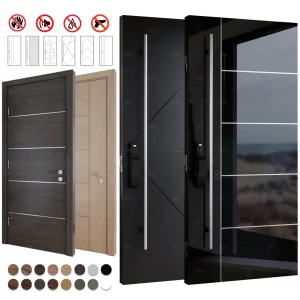
Established in 2004, is located in Wuyi, Yongkang Orix Steel Co., Ltd Zhejiang Province, China. We have been focusing on middle and high-end armoured doors, cast aluminium explosion-proof doors, steel-clad wood two-tone security doors and anti-theft and explosion-proof locks for 20 years as a high-tech enterprise with an annual production capacity of 200,000 units.
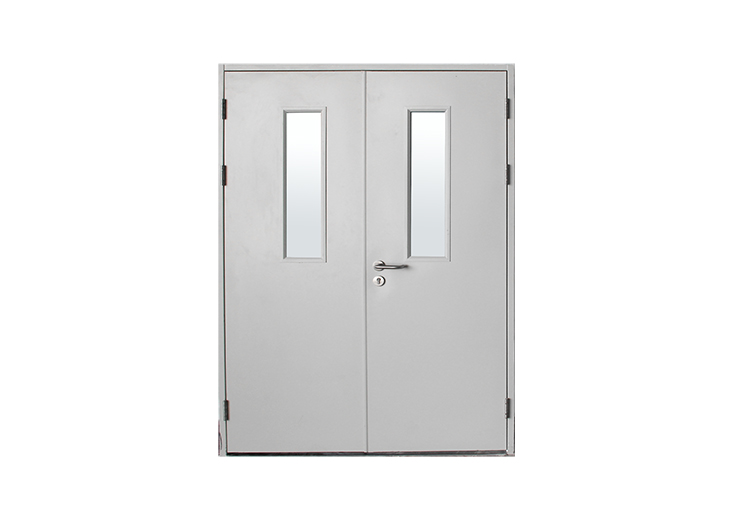
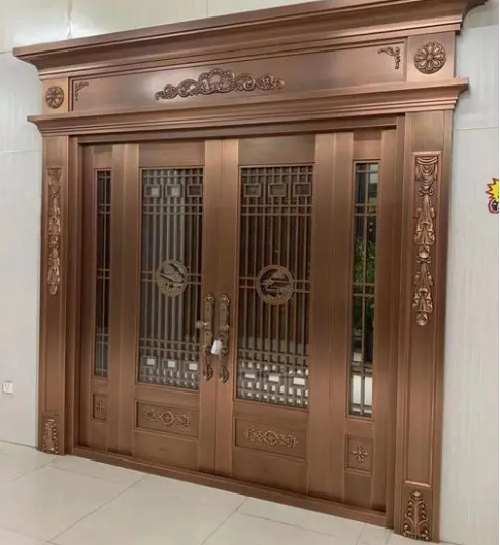
A Wholesale Vacuum Insulated Door Systems Factory does not just build doors; they build thermal barriers. The core of our system involves a multi-layered sandwich panel. The central layer is a fumed silica or fiberglass core, which is then encased in a gas-barrier film. Once the air is evacuated, the thermal conductivity drops to as low as 0.004 W/mK.
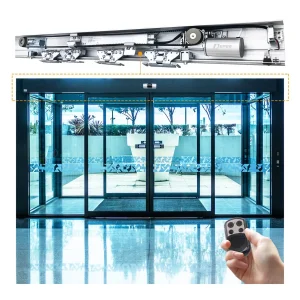
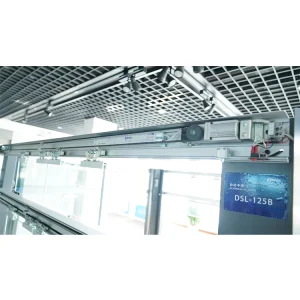
For industrial exporters, this means shipping products that significantly reduce the "Carbon Footprint" of the end-user. In commercial settings, such as luxury hotels or hospitals, these doors also provide world-class acoustic insulation, blocking out urban noise and creating a sanctuary for occupants. Our Deper DSL-125A automatic sliding door systems integrate these insulated panels into automated frameworks, combining convenience with high-tech energy savings.
The global procurement demand for these systems is often tied to large-scale infrastructure projects. We provide comprehensive support for exporters, including detailed CAD drawings, BIM models for architects, and sea-worthy packaging that ensures the vacuum seal remains intact during long-distance transit.
 Orix Steel