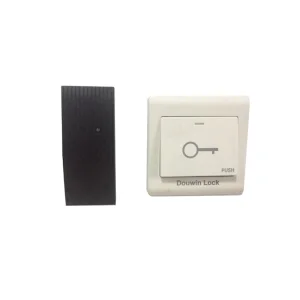
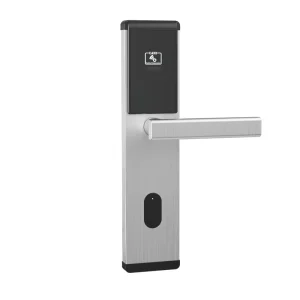
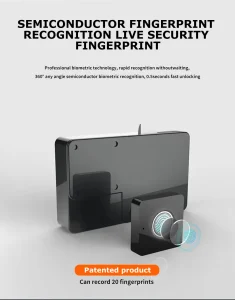
Tanzania is experiencing a rapid architectural evolution. From the bustling commercial hubs of Dar es Salaam to the luxury safari lodges in Arusha and the serene beach resorts of Zanzibar, the demand for integrated security is skyrocketing. Developers are shifting from traditional mechanical locks to AI-driven "Smart Home Door Access Systems" to increase property value and tenant safety.
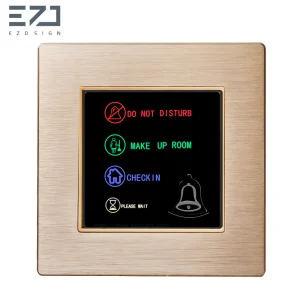
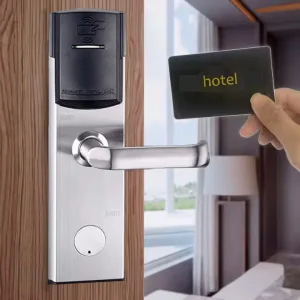
Tourism is a cornerstone of the Tanzanian economy. Modern hotels now require sophisticated management software that integrates with RFID and BLE (Bluetooth Low Energy) technology. Our systems provide seamless "Check-in to Access" workflows, reducing operational friction for resort managers while ensuring 24/7 guest security.
Understanding the local context is vital. We optimize our electronic systems for low power consumption and battery backup resilience, ensuring that door access remains functional even during Tanzania's occasional grid fluctuations. Our hardware is built to withstand coastal humidity and inland dust.
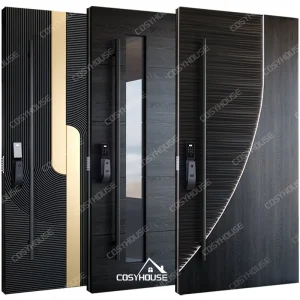
Established in 2004, located in Wuyi, Yongkang, Zhejiang Province, China, we represent the pinnacle of security door manufacturing. As a high-tech enterprise, we have spent two decades perfecting middle and high-end armored doors, cast aluminum explosion-proof doors, and steel-clad wood security systems.
Our annual production capacity of 200,000 units allows us to serve massive infrastructure projects across East Africa, providing Tanzanian suppliers with direct-from-factory pricing and unmatched quality control.
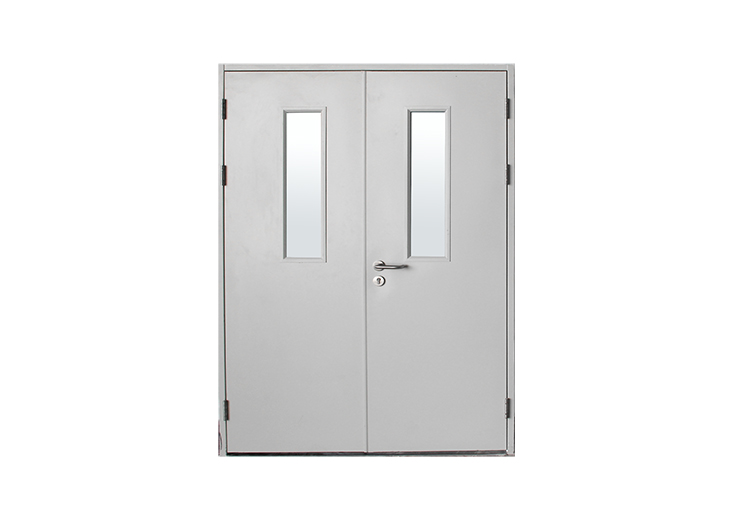
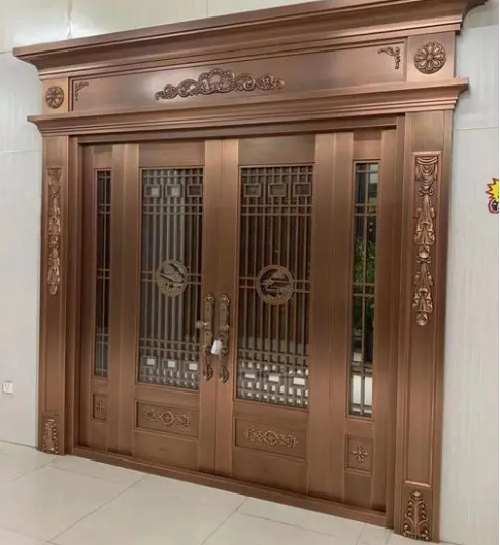
The convergence of AI and physical security is defining the next decade of Tanzanian urban living. Here is our strategic roadmap for smart access.
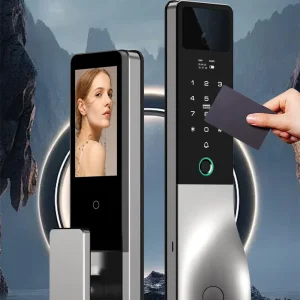
Transitioning from simple PIN codes to 3D facial recognition and vein pattern scanning. This eliminates the risk of stolen cards or forgotten passwords in high-traffic commercial buildings in Dodoma.
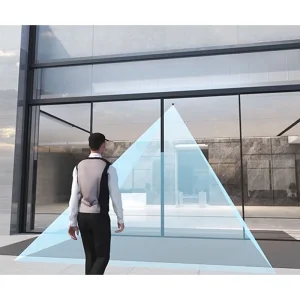
Implementing camera sensors that process data locally on the device (Edge AI). This reduces bandwidth usage—a critical factor for Tanzanian businesses—while providing real-time threat detection.
Developing solar-powered smart locks and low-energy Bluetooth protocols to align with Tanzania's growing focus on sustainable building practices and LEED certification.
TBS Standards: We ensure that our security doors and electronic locking systems meet the rigorous requirements of the Tanzania Bureau of Standards (TBS). Our products undergo stress tests for humidity, heat, and mechanical endurance.
Supply Chain Resilience: Leveraging our Factory 4.0 infrastructure in China, we offer Tanzanian wholesalers a "Just-in-Time" delivery model. By maintaining high stock levels of modular components, we can customize orders for specific Tanzanian projects—whether it's a 500-room hotel or a private luxury villa.
After-Sales Ecosystem: We provide digital manuals, remote technical training for local installers, and a robust warranty program that ensures long-term reliability on the ground.
A: Our systems are equipped with long-life lithium battery backups and mechanical override keys. Additionally, some models support external power bank emergency charging via USB-C, ensuring you are never locked out during load shedding.
A: Yes. We use high-grade anti-corrosion materials and IP65-rated waterproofing for our external units to prevent salt-air degradation and moisture damage common in coastal areas.
A: Absolutely. Our hotel management software and Tuya-integrated locks allow for centralized cloud management. You can issue digital keys and monitor access logs for multiple locations globally via your smartphone or PC.
A: For standard configurations, our production lead time is 15-25 days. Shipping to the Port of Dar es Salaam typically takes 25-35 days, depending on the shipping line. We handle all export documentation to facilitate smooth TBS clearance.
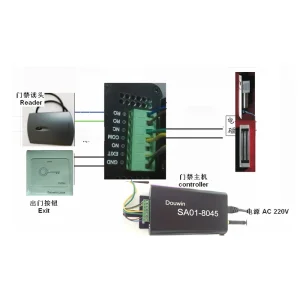
A: While we are the manufacturer, we provide comprehensive video tutorials, technical wiring diagrams, and live video support for your local engineering teams to ensure perfect installation.
 Orix Steel